If you own an RV, one of the first questions you’ll face is: how much does RV storage cost? Whether you’re planning seasonal adventures or long-term trips, understanding storage costs is essential for budgeting and protecting your investment. In this comprehensive guide, we’ll break down the typical costs, factors that influence pricing, and actionable tips to choose the best storage solution for your RV.
Short Answer: How Much Does RV Storage Cost?
The cost of RV storage varies widely depending on the type of storage, location, size of your RV, and amenities provided. On average:
- Outdoor storage: $50–$200 per month
- Covered storage: $100–$300 per month
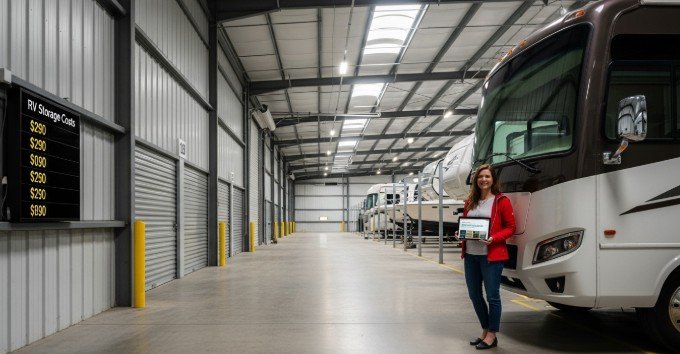
- Indoor or climate-controlled storage: $200–$600 per month
For example, John from Phoenix shared that he paid $175/month for covered RV storage, while an indoor unit cost him $300/month. Factors such as location, RV size, security features, and facility amenities can significantly affect these prices. “Please note: these prices are estimates and are not officially provided by Privacy RV.”
Understanding RV Storage Costs in Detail
Knowing the factors that affect RV storage prices can help you make an informed decision and avoid unexpected costs.
Factors That Affect RV Storage Prices
Several variables determine how much you’ll pay for RV storage:
- Location: Storage prices are typically higher in urban areas or near popular travel destinations due to higher demand. Rural locations tend to be cheaper.
- RV Type & Size: Larger RVs like Class A motorhomes or fifth wheels cost more to store than smaller Class B or C RVs.
- Storage Type: Outdoor parking is cheapest, covered storage is mid-range, and fully enclosed or climate-controlled facilities are the most expensive.
- Duration of Storage: Short-term rentals may cost slightly more per month, while long-term agreements often include discounts.
- Amenities: Security cameras, gated access, lighting, maintenance services, and climate control can raise costs.
Real-life example: Sarah in Denver chose an indoor, climate-controlled unit for her Class A motorhome because she wanted maximum protection from harsh winters. Her monthly fee was $450, but she felt it was worth it to avoid costly weather-related damage.
Average Cost Ranges by Storage Type
Here’s a quick comparison table of typical RV storage costs:
| Storage Type | Monthly Cost Range | Security | Accessibility | Ideal For |
|---|---|---|---|---|
| Outdoor | $50–$200 | Low | High | Short-term, budget |
| Covered | $100–$300 | Medium | Medium | Protection from weather |
| Indoor/Climate-Control | $200–$600 | High | Medium | Expensive RVs, long-term storage |
Sub-Questions People Also Ask
Is RV storage cheaper in rural areas?
Yes, rural areas usually have lower storage costs due to less demand and lower property prices. For instance, an outdoor storage unit in rural Texas may cost $75/month, whereas a similar unit in Los Angeles can exceed $200/month.
Can I store my RV at home?
Storing an RV at home is possible, but you must check local zoning laws. Driveways and residential lots may have size limits or permit requirements. While it’s free, it may lack security, protection from weather, or insurance coverage.
What’s the cheapest way to store an RV?
Outdoor storage lots or shared private properties are often the cheapest. Some RV owners also use off-site parking with friends or family, which can reduce costs significantly.
Do storage facilities charge extra for large RVs?
Yes, larger RVs require more space, and some facilities charge extra for length, height, or weight. Always verify the unit size and fees before signing a contract.
Is climate-controlled storage worth it?
Climate-controlled storage protects temperature-sensitive components like batteries, plumbing, and electronics. Long-term, this type of storage can save money on maintenance and repairs, especially for luxury RVs or in extreme climates.
Guide to Choosing the Right RV Storage
Selecting the right RV storage requires careful planning. Here’s a step-by-step approach:
Determine Your Storage Needs
- Assess how often you’ll use your RV.
- Consider the RV’s size and type.
- Account for climate conditions extreme heat, humidity, or cold can affect your choice.
Set Your Budget
- Determine a realistic monthly or annual budget.
- Include hidden fees, insurance, and maintenance costs.
Compare Storage Options
- Evaluate indoor, covered, outdoor, and specialized RV lots.
- Use the comparison table above to guide your decision.
Inspect Facilities in Person
- Check security measures, lighting, accessibility, and maintenance.
- Tip: “Always inspect gates, locks, and cameras before signing a contract.”
Read the Contract Carefully
- Understand insurance requirements, liability clauses, and cancellation terms.
- Some facilities require renters to have RV insurance covering storage damage.
Finalize and Move Your RV
- Schedule a safe move-in.
- Make seasonal adjustments if needed (e.g., winterizing for long-term cold storage).
- Maintain your RV even while in storage batteries, tires, and fluids need occasional checks.
Real-Life Examples of RV Storage Costs
- Urban vs Suburban: Mike in New York City paid $350/month for a covered unit, while his friend in upstate New York paid $120/month for the same unit type.
- Indoor vs Covered: Lisa in Phoenix opted for a climate-controlled indoor unit at $500/month; her neighbor uses a covered outdoor spot at $200/month for a smaller RV.
- Seasonal Variations: In Florida, summer prices for outdoor lots rise 20% due to hurricane season, while winter storage may cost 10% less.
Frequently Asked Questions (FAQs)
1. What is the average monthly cost for RV storage?
- Depending on type, it ranges from $50–$600 per month.
2. Are there annual discounts for long-term storage?
- Many facilities offer discounts if you prepay for 6–12 months.
3. Do storage facilities provide electricity or hookups?
- Some indoor or premium facilities offer electrical hookups, but outdoor lots rarely do.
4. How secure are outdoor RV storage lots?
- Security varies. Look for gated access, cameras, and onsite staff.
5. Can I store my RV in a residential driveway legally?
- It depends on local zoning laws. Check your city or HOA regulations before parking your RV at home.
6. What insurance do I need for stored RVs?
- Comprehensive RV insurance covering storage damage is recommended. Some facilities require proof of insurance.
7. Are there hidden fees I should watch for?
- Yes, some facilities charge administrative fees, late payment fees, or maintenance fees. Always read the contract.
8. How do seasonal rates affect RV storage cost?
- Prices may increase during peak travel seasons or extreme weather months. Planning ahead can save money.
Conclusion: Planning Your RV Storage Budget
Understanding how much RV storage costs is crucial for protecting your vehicle and your wallet. Prices vary by location, storage type, RV size, and amenities. By evaluating your storage needs, setting a budget, comparing options, and inspecting facilities, you can make an informed decision. Remember: balancing cost with security and protection is key. Investing in the right storage solution ensures your RV stays safe, functional, and ready for your next adventure.