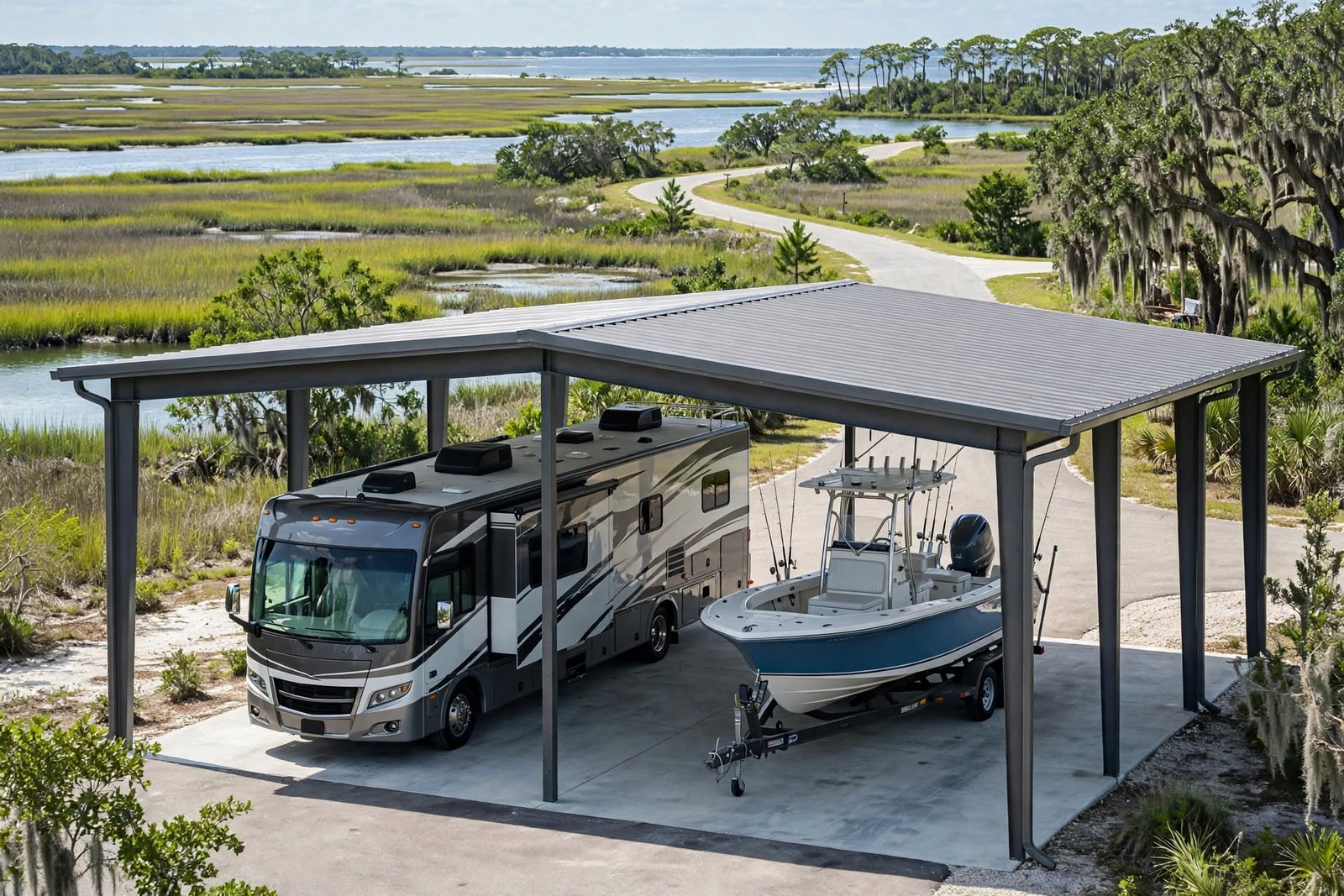
The black tank is the part of RV life nobody brags about, but it pays to get it right. Skip the basics and you end up with smells, clogs, and a sensor that lies to you. Get into a rhythm and the whole thing takes ten minutes and almost no thought. Here is how to dump, rinse, and handle rv black tank treatment so the job stays quick and clean.
What Your Black Tank Actually Holds
Your RV has two waste tanks. The gray tank takes water from the sink and shower. The black tank takes everything from the toilet. The black tank is the one that needs care, since solids and paper sit in there and break down over time.
The goal is simple. Keep things liquid, keep the sensors honest, and empty the tank when it is most of the way full rather than letting it sit.
How to Dump It Without a Mess
Dumping scares new owners more than it should. Do it in order and you stay clean every time.
Gear up first
Put on a pair of gloves. Keep a set you use only for this. Have your sewer hose, a clamp or fitting for the dump station, and a separate rinse hose that never touches your drinking water hose.
Connect before you pull anything
Lock the sewer hose onto your RV outlet, then run the other end into the dump station inlet and seat it well. Only after both ends are secure do you pull a valve. Pull the black valve first and let it run until the flow stops.
Black first, gray second
Here is the trick that keeps your hose clean. Dump the black tank, then close it and dump the gray tank. The gray water runs through the hose last and rinses out what the black tank left behind. Close the gray valve when it finishes.
Rinsing the Tank
A drain alone does not get everything. Paper and solids cling to the walls and the bottom, and that buildup is what clogs sensors and breeds smell.
Many RVs come with a built in rinse system that sprays the inside. If yours has one, run it for a minute or two after the dump until the water runs clear. If you do not have one, a tank rinse wand drops down the toilet and does the same job. Either way, fill partway, dump again, and repeat until clear.
Treating the Tank So It Works Right
This is where rv black tank treatment comes in. After you dump and rinse, you add water and a treatment so the tank starts the next round in good shape.
Add water first
Never run a dry tank. Pour a few gallons of water down the toilet before you start using it again. Solids need liquid to break down and float, and a dry tank is how clogs and the dreaded pyramid of waste form right under the toilet.
Pick a treatment that fits
Treatments come as liquids, drop in pods, and powders. They do two jobs. They cut odor and they break down solids and paper. Enzyme and bacteria based products digest waste over time and go easy on your tank and on dump stations. Chemical treatments knock out smell fast, but some contain formaldehyde, which a lot of campgrounds no longer accept. Read the label and lean toward the enzyme types when you can.
Follow the dose on the package. More is not better, and overdosing wastes money without helping.
Keeping the Smell Down
Odor usually comes from one of a few things, and all of them have a fix.
Keep enough water in the tank, since dry waste stinks more than wet. Use plenty of water with every flush so nothing dries out. Check that your roof vent is clear, because the tank needs to breathe up and out rather than back into the cabin. And use RV friendly toilet paper that breaks apart fast. Test your regular paper in a jar of water and see if it falls apart with a shake.
Habits That Stop Clogs Before They Start
A clean tank is mostly about routine. A few small habits save you the bad days.
Wait to dump until the tank reads two thirds full or more. A full tank has the water weight to push solids out hard. Dribbling it out a little at a time leaves solids stranded.
Use water freely. The most common cause of trouble is too little water, not too much.
Flush only what belongs in there. Paper made for RVs and human waste, nothing else. Wipes, even the ones labeled flushable, do not break down and will plug things up.
Storage & Cold Weather
Before you park the RV for a stretch, dump and rinse until the water runs clear, then add a little water and treatment so the tank does not dry out and cake.
If you store in freezing weather, get the water out so nothing freezes and cracks a valve or fitting. RV antifreeze poured into the tank protects what is left.
Once you have a routine, rv black tank treatment stops being a chore you dread. Dump in order, rinse until clear, add water and a treatment, and use plenty of water day to day. Do that and the tank quietly does its job while you focus on the trip.