Florida summers are no joke. The heat index pushes past 100 degrees, the beaches fill up fast, and the Gulf of Mexico in July can feel more like a warm bath than a place to cool off. If you’ve spent a summer afternoon wading into 85-degree saltwater and walked away feeling no cooler than when you went in, you already understand the argument for spring-fed lakes.
Spring-fed lakes sit in a category of their own when it comes to summer swimming in Florida. The water is cooler, clearer, and far less crowded than the coast. Once you swim in one, it’s hard to go back to fighting beach traffic for a dip in lukewarm salt water.
What Makes a Spring-Fed Lake Different
A spring-fed lake gets its water from underground aquifer systems rather than surface runoff or rainfall alone. Florida sits on top of one of the largest and most active aquifer systems in the world, the Floridan Aquifer, and springs throughout the state draw from it constantly. That water travels through limestone formations underground before emerging at the surface, and it comes out filtered, clear, and at a near-constant temperature.
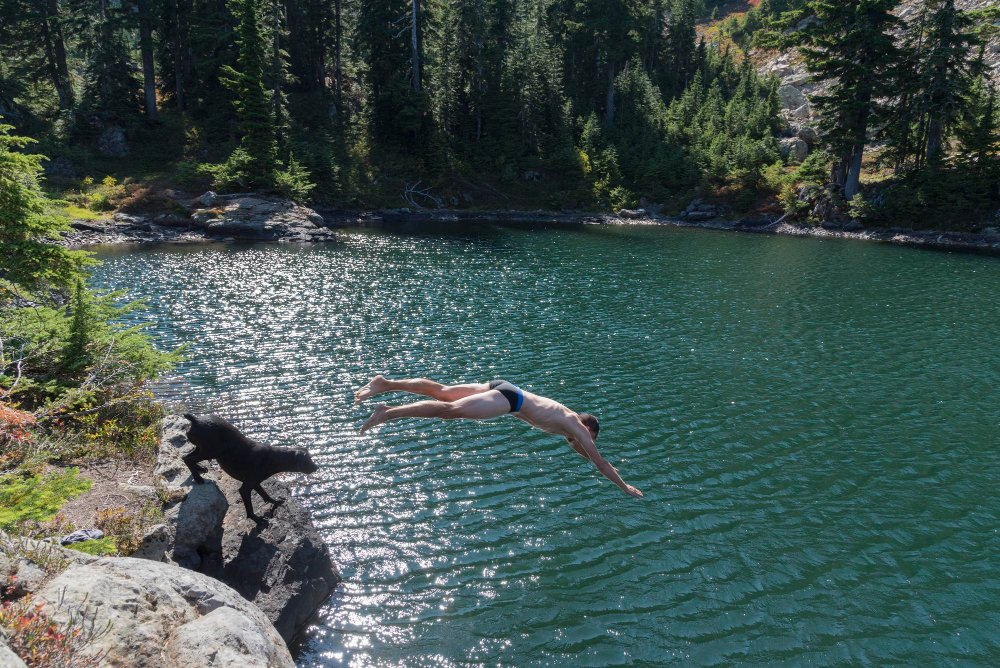
Most Florida springs and spring-fed lakes hold steady at around 68 to 72 degrees Fahrenheit year-round. In the middle of summer, that water feels cold in the best way. You get in, and you actually feel it. That’s the whole point.
Water Clarity
One of the most noticeable things about swimming in a spring-fed lake is how clear the water is. You can see the bottom in water that’s 10 or 15 feet deep, sometimes more. That’s not the experience you get at most Florida beaches, where Gulf water turns murky after storms or algae blooms, and definitely not what you get at most freshwater lakes fed by surface water.
The clarity comes from the filtration process underground. By the time spring water reaches the surface, it’s gone through enough natural filtering that sediment and organic matter are minimal. The result is water that looks almost like glass in certain lighting conditions.
No Jellyfish, No Sharks, No Saltwater Rash
Open water ocean swimming comes with a list of things to think about that freshwater spring swimming simply does not. Jellyfish are a real nuisance along Florida’s Gulf Coast in summer. Saltwater irritates the eyes and skin after extended time in the water. There are no concerns about sharks in a landlocked spring-fed lake.
For families with kids who want to stay in the water for hours, spring lakes are a much more forgiving environment. Kids can swim, float, and play without coming out with red, stinging eyes or itchy skin from prolonged saltwater exposure.
The Summer Coastal Experience: What You’re Dealing With
The Florida coast in summer is genuinely crowded. Popular beach towns see traffic pile up on weekends, parking lots fill before 10 a.m., and getting a spot in the water without sharing it with a hundred other people takes timing and luck.
Water temperatures along the Gulf Coast in July and August regularly hit the mid-to-upper 80s. That’s warm enough to be comfortable, but it’s not refreshing. If you’re trying to cool down after a hot morning, warm saltwater doesn’t deliver that.
The other thing that doesn’t get talked about enough is red tide. Florida’s Gulf Coast has dealt with recurring red tide events in recent years, and summer is part of the window when blooms can appear. Red tide causes respiratory irritation on the beach and can close swimming areas with little warning. A spring-fed lake doesn’t have that problem.
Why RV Campers Specifically Love Spring-Fed Lake Access
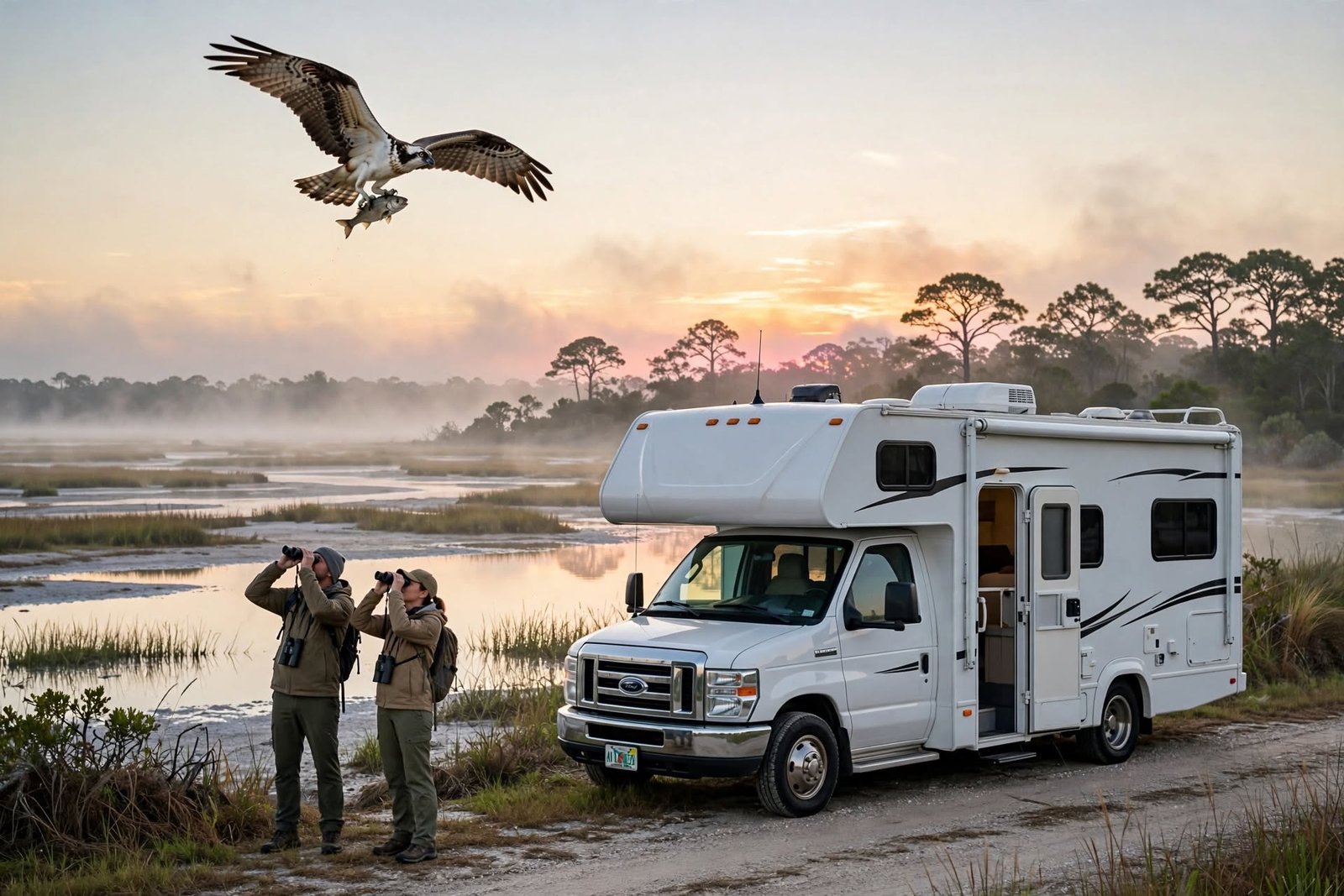
For people traveling by RV, having a spring-fed lake on or near a campsite changes the whole trip. You’re not packing up and driving 45 minutes to the beach, finding parking, hauling gear, and doing the whole production. You walk out of your rig and you’re already at the water.
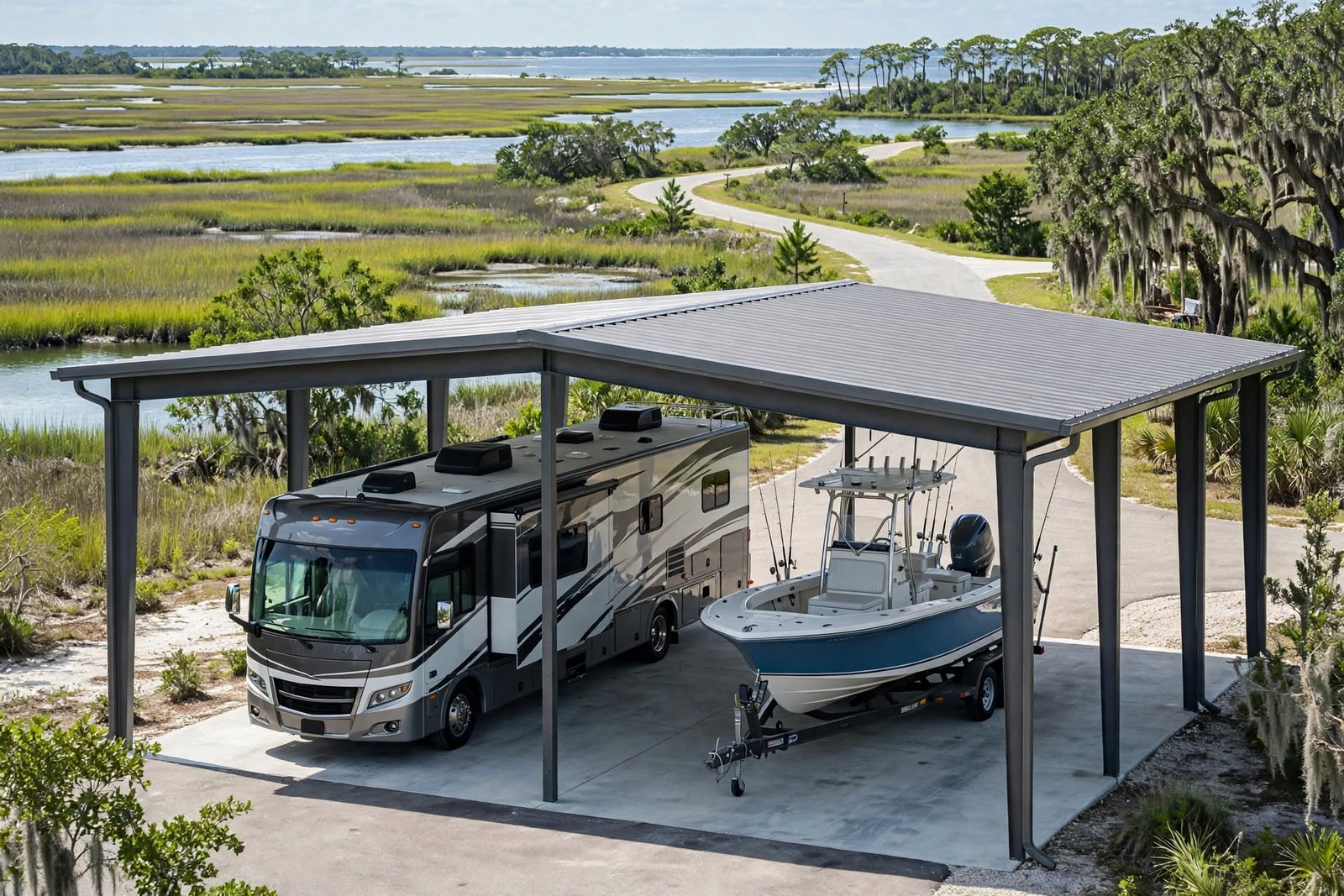
That kind of access makes a real difference in how you spend your days. Morning swims before the heat sets in, afternoon floats, kids in and out of the water all day without a major logistics effort. RV sites that sit adjacent to a private spring-fed lake offer something that most beach campgrounds can’t match: actual convenience.
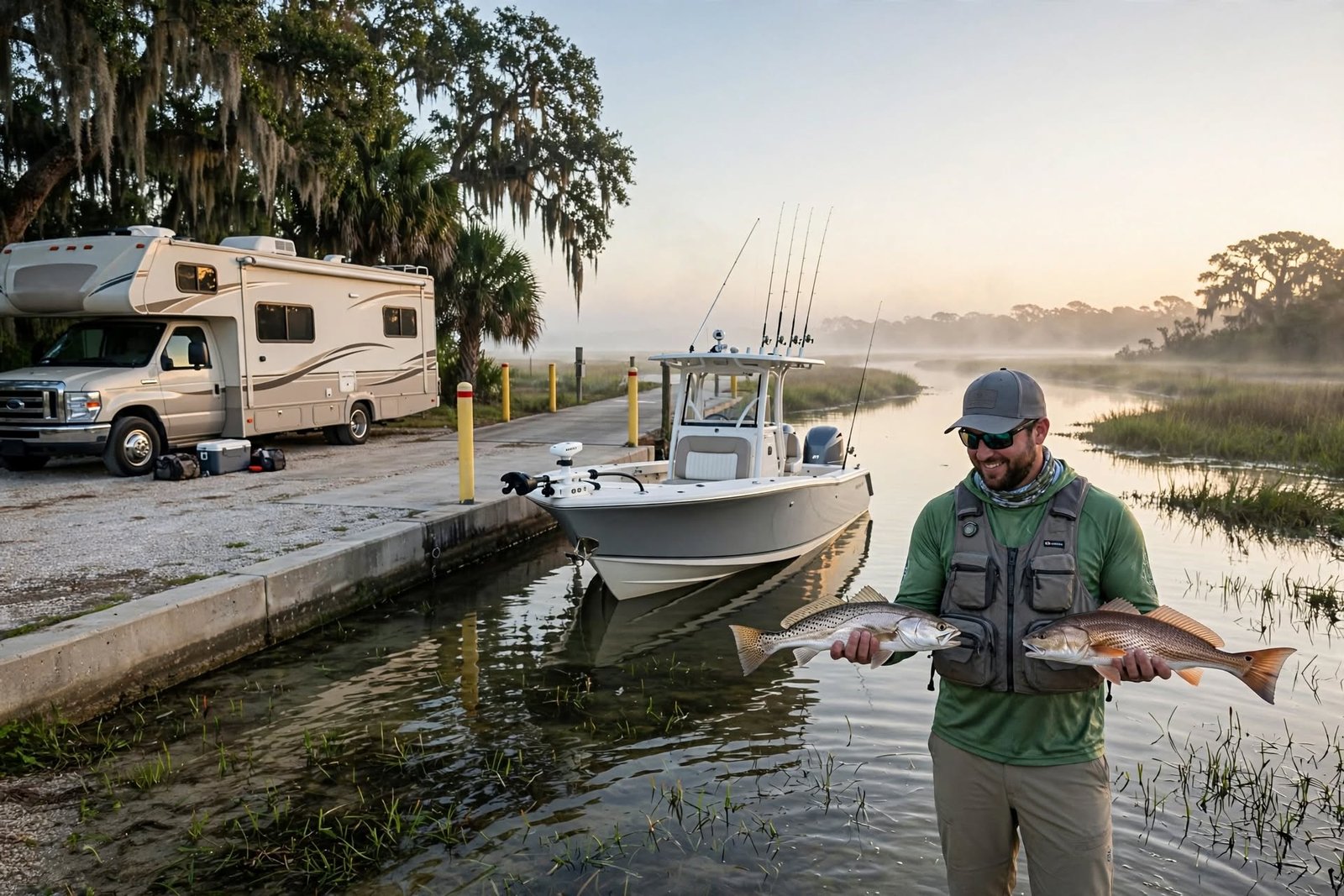
Some RV campgrounds in Steinhatchee, Florida sit on or next to private spring-fed lakes that are reserved for guests. That means no day crowds, no strangers taking up space, and a level of quiet that public swimming areas rarely have.
The Temperature Argument in Simple Terms
Here’s the practical breakdown. Gulf water in August averages around 84 to 86 degrees. A spring-fed lake sits at 68 to 72 degrees. The difference is about 15 degrees, and that gap determines everything about how swimming feels in the middle of a Florida summer.
At 68 degrees, your body registers the water as genuinely cool. You feel the temperature drop when you get in. You want to stay in because it feels good, not just because you already made the drive. That’s the experience most people are actually looking for when they say they want to “cool off” in summer.
A Private Lake Changes Things Further
A spring-fed lake that’s private to a campground or resort property adds another layer. Fishing is often available. You can kayak, paddleboat, or just float without worrying about boat traffic. The water stays consistently clean because the source water is constant.
If you’re planning a summer trip to Steinhatchee or the surrounding Nature Coast area, look for accommodations with spring-fed lake access. It’s one of those things that sounds nice in a listing description and actually lives up to it in practice.