
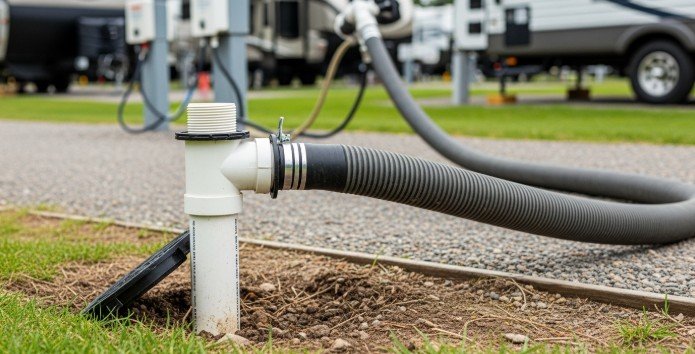
If you’re planning an RV trip, one question often comes up: do RV parks have sewer hookups? The short answer is: most full-service RV parks offer sewer hookups, but not all parks provide them. Availability depends on the park’s type, location, and amenities. For example, Sunshine RV Park in Florida provides full sewer connections at all 100 sites, while smaller roadside parks may only offer dump stations. Understanding whether a park has sewer hookups can save you time, stress, and potentially costly mistakes on the road. In this guide, we’ll explore everything you need to know, from types of hookups to step-by-step usage instructions, real-life examples, and a handy comparison table. Understanding Sewer Hookups in RV Parks What Is an RV Sewer Hookup? An RV sewer hookup is a dedicated connection point that allows you to safely dispose of waste from your RV’s gray water (sinks and showers) and black water (toilet) tanks. Typically, this involves a direct connection to the park’s sewage system using a flexible RV sewer hose. Real-life insight: Many RVers keep a small elbow adapter on hand to make connecting the hose easier in tight or awkwardly placed sewer connections. Pro tip: A simple infographic can illustrate the connection points: fresh water inlet, gray water outlet, and black water outlet for clarity. Why Sewer Hookups Are Important for RV Travelers Sewer hookups are more than just a convenience they’re a cornerstone of hygienic and stress-free RV travel. Types of RV Parks Based on Sewer Availability Not all parks are created equal when it comes to sewer hookups: Do RV Parks Have Sewer Hookups? Factors That Determine Sewer Hookup Availability Several factors influence whether a park has sewer hookups: Real-Life Examples of Parks With and Without Sewer Hookups Guide to Using Sewer Hookups at RV Parks Properly using a sewer hookup is essential to avoid spills, odors, or fines. Follow these steps: Locate the Sewer Connection on Your Site Connect Your RV Sewer Hose Properly Dispose of Waste Safely and Legally Maintain Your RV Sewer Hose System RV Parks With vs Without Sewer Hookups Feature Full-Service Parks Partial-Service Parks Dry Camping/Boondocking Sewer Hookup Available Usually not Not available Water Connection Yes Yes Rarely Electricity Yes Yes Rarely Cost per Night $40–$100 $25–$50 $0–$20 Ideal For Long stays Short stays Off-grid enthusiasts Note: Full-service parks like KOA or Sunshine RV Park often charge $50–$100 per night but guarantee all hookups. Partial parks cost less but may require trips to dump stations. Dry camping is cheapest but requires off-grid planning and waste management. FAQs About Sewer Hookups in RV Parks 1. Do all RV parks have sewer hookups?No, only full-service parks typically provide them. Always check the park’s amenities before booking. 2. Can I stay at an RV park without a sewer hookup?Yes, but you’ll need to rely on dump stations or portable waste storage. 3. Is it safe to dump gray and black water at any RV park?No, always use the designated sewer connection or dump station to avoid fines and contamination. 4. How do I know if a park site has a sewer connection before booking?Check the park’s website or call ahead to confirm. Some online reservation platforms also indicate hookup types. 5. Are sewer hookups included in the RV park fee?Usually yes at full-service parks, but partial parks may charge extra or only provide dump stations. 6. What equipment do I need for connecting to a sewer hookup?A quality RV sewer hose, elbow adapters, clamps, and gloves are essential. 7. How often should I clean my RV sewer hose?After every use, rinse with clean water and occasionally sanitize with a safe cleaner. 8. Can I extend a short sewer hose to reach the park’s connection safely?Yes, but use a compatible extension and ensure tight, leak-proof connections. Conclusion Not all RV parks have sewer hookups, but knowing the types of parks and planning ahead makes RV travel safer, cleaner, and stress-free. Full-service parks guarantee convenience, partial-service parks require planning, and boondocking is for off-grid enthusiasts willing to manage their own waste. Pro tip: Always check your park’s amenities before booking to ensure sewer hookup availability. Planning ahead saves both time and hassle on the road, keeping your RV adventures smooth and enjoyable.
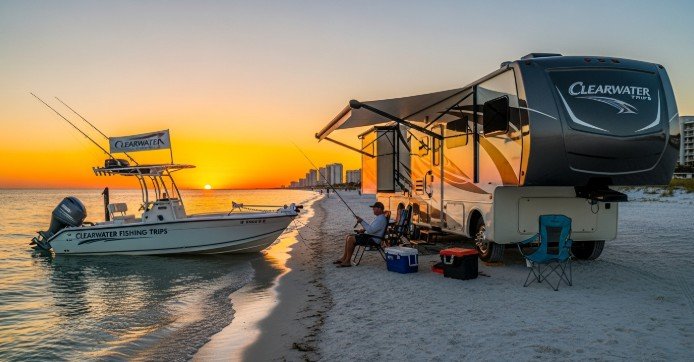
Fishing Trips in Clearwater Florida
Clearwater, Florida, is a haven for fishing enthusiasts, offering pristine waters, diverse marine life, and plenty of opportunities for both beginners and seasoned anglers. Whether you’re planning a family getaway, an RV road trip, or a dedicated fishing excursion, Clearwater provides everything you need for a memorable experience. From calm bay waters to the open Gulf of Mexico, Clearwater’s fishing scene is versatile and rewarding, making it one of the top fishing destinations in the U.S. Quick Answer: Are Clearwater Florida Fishing Trips Worth It? Short Answer for Travelers & RV Enthusiasts Yes, fishing trips in Clearwater Florida are absolutely worth it. The area combines stunning scenery, a variety of fish species, and excellent accessibility for RV travelers. Whether you prefer casting from the shore, exploring piers, or booking a private charter, Clearwater offers something for everyone. Families, solo travelers, and road-trippers alike can enjoy the combination of fishing adventures with the comfort of RV-friendly campgrounds and local amenities. Why Clearwater Florida Is a Prime Fishing Destination Geography and Waters Clearwater’s location on the Gulf Coast provides anglers with both calm bay waters and more challenging open sea fishing. The Gulf of Mexico’s proximity ensures abundant marine life, while Clearwater Bay offers serene waters ideal for small boats, kayaks, or even fishing right from RV-accessible launch points. The mix of shallow flats, deep channels, and mangrove-lined areas makes it perfect for targeting multiple species in one trip. Fish Species You Can Catch Clearwater Florida boasts a wide variety of fish year-round, including: Knowing the seasonal patterns for each species ensures you maximize your catch during your trip. Fishing Accessibility for RV Travelers RV enthusiasts will find Clearwater extremely accommodating. Many campgrounds are located near prime fishing spots and marinas, allowing easy access without long drives. Boat ramps are plentiful, and several RV parks offer hookups or parking spaces that are close enough for early morning fishing excursions. This makes Clearwater perfect for those combining road trips with serious fishing. Planning Your Fishing Trip in Clearwater Florida Best Times to Visit for Fishing The peak fishing months in Clearwater are typically spring through fall, with summer offering warm water and active fish. Winter provides milder crowds, though some species may be less abundant. Keep in mind weather considerations, including hurricane season from June to November, and always check local forecasts before heading out. Choosing the Right Type of Fishing Trip Clearwater offers multiple ways to fish, each catering to different preferences. Here’s a quick comparison: Type Pros Cons RV Accessibility Best For Shore Easy access, free Limited species High Families, beginners Pier Facilities available Crowded Medium Casual anglers Charter Experienced guides, multiple species Expensive High Serious anglers Kayak Adventure, quiet spots Limited catch Medium Solo travelers, fitness enthusiasts Selecting the right type depends on your priorities: convenience, experience level, or adventure. How to Organize a Clearwater Fishing Trip Tips for Maximizing Your Clearwater Florida Fishing Experience Insider Tips from Local Guides RV & Road Trip Tips for Fishing Enthusiasts Safety and Regulations Frequently Asked Questions About Fishing Trips in Clearwater Florida Conclusion: Make the Most of Your Clearwater Florida Fishing Trip Fishing trips in Clearwater Florida offer unmatched opportunities for adventure, relaxation, and memorable catches. With a wide variety of fish, accessible waters, and RV-friendly accommodations, this destination caters to every type of angler from families to solo road-trippers. By planning carefully, following local regulations, and leveraging insider tips, you can ensure a successful and enjoyable fishing trip. Clearwater is more than just a fishing destination it’s a complete experience combining nature, recreation, and convenience. Pack your rods, load your RV, and set out for Clearwater the ultimate fishing adventure awaits.
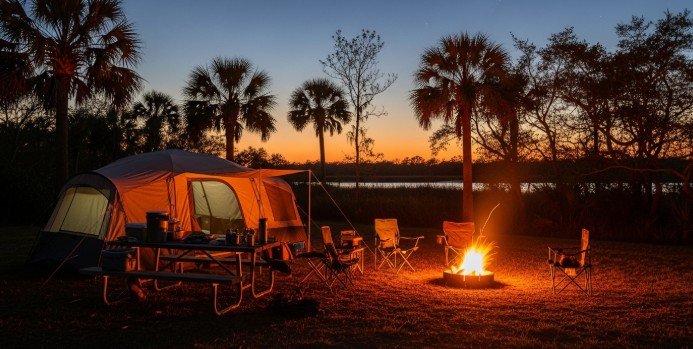
Camping Near Steinhatchee Florida: Best Campgrounds, Tips, and Local Insights
Tucked along Florida’s Big Bend Coast, Steinhatchee is one of those rare places that still feels wild, salty, and wonderfully unpolished. For travelers who love fishing at dawn, paddling through tidal creeks, or falling asleep to tree frogs under pitch-dark skies, camping near Steinhatchee Florida offers a completely different experience than the state’s crowded beach resorts and mega-RV parks. This guide is designed to be the most complete resource online for planning a camping trip here from choosing the right area and season to insider tips only repeat visitors usually know. Short Answer: Is There Good Camping Near Steinhatchee, Florida? Yes camping near Steinhatchee Florida is excellent for travelers who enjoy waterfront settings, nature-focused campgrounds, and easy access to fishing and scalloping grounds. You’ll find: What sets Steinhatchee apart is its Old Florida atmosphere less commercial, more natural, and heavily centered around outdoor adventure. Why Steinhatchee Is a Prime Destination for Campers Steinhatchee sits at the meeting point of marshy coastline, pine forests, and the Gulf of Mexico—creating a diverse landscape ideal for camping. Key reasons campers return year after year: If your idea of a perfect trip includes casting lines at sunrise and paddling through glass-calm creeks at sunset, this is your place. Best Areas for Camping Near Steinhatchee Florida Riverfront Camping Zones Camping along the Steinhatchee River is popular for good reason. Expect: What to watch for: tides can affect dock height, and after heavy rain, some low-lying areas may flood. Gulf-Side & Coastal Camping These sites sit closer to open water and scalloping flats. Ideal for: Considerations: coastal winds can be stronger, and shade may be limited compared to forest sites. Forest & Nature Preserve Campgrounds A short drive inland brings pine flats and hardwood hammocks. Great for: These locations are typically more sheltered from wind and bugs than marsh-side areas. Top Campgrounds for Camping Near Steinhatchee Florida Public parks, county facilities, and private RV resorts make up most of the campground options. Travelers consistently evaluate sites based on: Private RV parks often provide full hookups and long-term stays, while public campgrounds focus more on natural settings. What Type of Camper Will Love Steinhatchee? Steinhatchee attracts a wide range of outdoor lovers: If nightlife and shopping malls are priorities, you may find the area quiet—but that’s exactly what most campers come for. Guide to Planning a Camping Trip Near Steinhatchee Choose the Right Season Decide Between RV, Tent, or Primitive Camping Reserve Early for Peak Months Campgrounds often fill weeks or months in advance during: Prepare for Coastal Conditions Salt air is tough on equipment. Bring: Pack the Essentials for the Big Bend Coast Camping Options Near Steinhatchee Florida Camping Type Best For Hookups Water Access Crowd Level Price Range Typical Stay Private RV Parks Comfort campers Full River High in summer $$–$$$ 3–7 nights County Parks Families Partial River Moderate $–$$ Weekend Primitive Sites Adventurers None Creek/Gulf Low $ Overnight Boat-In Sites Kayakers None Direct Gulf Very Low $ 1–2 nights Things to Do While Camping Near Steinhatchee Local Tips Only Experienced Campers Know Safety & Environmental Considerations FAQs About Camping Near Steinhatchee Florida Is camping near Steinhatchee Florida good for RVs?Yes several parks offer full hookups and long waterfront sites. Are there waterfront campgrounds near the Steinhatchee River?Absolutely. Riverfront camping is one of the area’s biggest draws. When is the best month to camp in Steinhatchee?March–May and October–November provide ideal weather and fewer bugs. Do campgrounds book up during scallop season?Yes reserve well in advance for summer visits. Can you primitive camp near Steinhatchee?Yes, especially in surrounding wildlife areas and boat-accessible spots. Are there mosquitoes year-round?They’re worst in summer but present anytime near marshes. Is it family-friendly?Very especially for fishing, kayaking, and nature exploration. Are pets allowed at campgrounds?Most allow pets on leashes—always check individual rules. Can you kayak directly from campsites?Many riverfront parks provide launch areas or docks. How far is Steinhatchee from major Florida cities?Roughly 2.5–3 hours from Tampa and Jacksonville. Conclusion: Is Camping Near Steinhatchee Florida Worth It? For travelers seeking quiet coastal wilderness, world-class fishing, and true Old Florida charm, camping near Steinhatchee Florida is absolutely worth the trip. With its mix of riverfront RV parks, forest campgrounds, primitive coastal sites, and endless on-the-water adventures, Steinhatchee appeals to: If your camping bucket list includes untouched coastline and sunrise casts over glass-smooth water, Steinhatchee deserves a top spot.
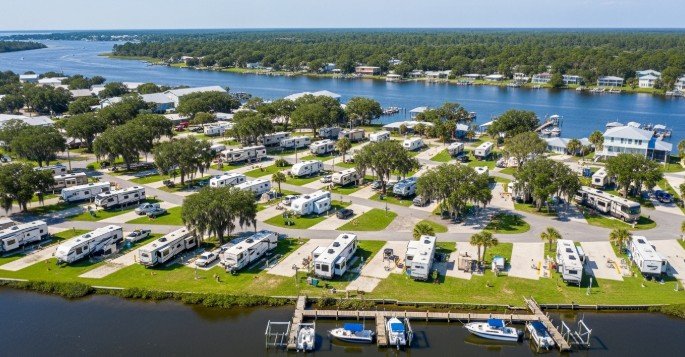
Steinhatchee Village RV Park: Complete Visitor Guide
Planning a coastal Florida RV getaway centered on fishing, scalloping, and quiet riverfront evenings? Steinhatchee Village RV Park consistently appears on travelers’ shortlists for good reason. Located in the heart of a historic fishing town near the Gulf of Mexico, this park caters to anglers, families, and seasonal RVers looking for waterfront proximity without resort-style crowds. This in-depth guide covers everything you need to know before booking amenities, site types, nearby attractions, seasonal demand, pricing expectations, and how Steinhatchee Village RV Park stacks up against other local campgrounds. Quick Overview of Steinhatchee Village RV Park (Short Answer) Steinhatchee Village RV Park is a coastal RV campground in Steinhatchee, Florida, close to the Steinhatchee River and Gulf fishing waters. It’s best for anglers, scallopers, snowbirds, and families who value boat access and a relaxed Old-Florida atmosphere. What Is Steinhatchee Village RV Park? Location & Coastal Setting in Steinhatchee, FL Steinhatchee sits along Florida’s Big Bend coast, where the Steinhatchee River meets the Gulf of Mexico. The town is known for its working marinas, seafood shacks, and small-community charm rather than tourist-heavy development. Steinhatchee Village RV Park benefits from: Why Travelers Choose Steinhatchee Village RV Park Guests are drawn by: Steinhatchee Village RV Park Amenities & Site Features RV Hookups & Utilities Most visitors expect practical, boater-friendly setups rather than luxury finishes. Site Types & Layout Options Park Facilities What’s Nearby? Things to Do Around Steinhatchee Village RV Park Fishing, Scalloping & Boating This is the primary draw. Nature & Wildlife Experiences Dining & Local Attractions How to Book Steinhatchee Village RV Park (Step-by-Step Guide) Check Availability by Season Choose the Right Site Type Understand Rates & Fees Expect: Review Rules & Policies Lock in Early During Peak Months Reserve months ahead for scallop season or winter. Always read cancellation policies in case weather changes travel plans. Steinhatchee Village RV Park vs Other RV Parks in Steinhatchee Feature Steinhatchee Village RV Park Waterfront Marina Parks Budget RV Lots Private Campgrounds Waterfront Access ✓ ✓ ✗ Sometimes Boat Facilities ✓ ✓ Limited Varies Big Rig Friendly ✓/Varies ✓ ✗ ✓ Amenities Level Mid–High High Basic Mid Peak-Season Demand High Very High Medium High Ideal For Fishermen, families Serious boaters Short stays Long stays Best Time to Visit Steinhatchee Village RV Park Scallop Season (Summer Rush) Fall & Spring Shoulder Seasons Winter Long-Term Stays What Real Guests Typically Love (Experience-Based Insights) Visitors frequently praise: Potential Drawbacks to Know Before Booking No coastal RV park is perfect. Common considerations include: Frequently Asked Questions About Steinhatchee Village RV Park Is Steinhatchee Village RV Park waterfront? Some sites are near the river or waterfront, while others are set slightly inland. Does Steinhatchee Village RV Park have full hookups? Many sites offer full hookups with 30/50-amp power, water, and sewer. Are pets allowed at Steinhatchee Village RV Park? Most parks allow pets with leash rules confirm breed or size restrictions before booking. How much does it cost to stay at Steinhatchee Village RV Park? Rates typically fall in the mid-range for coastal Florida, with higher pricing during scallop season and winter. Can you bring a boat trailer? Yes, though designated parking or extra fees may apply. Is Steinhatchee Village RV Park good for big rigs? Some sites can accommodate large RVs, but checking pad length is essential. How far in advance should I reserve? For summer and winter stays, booking several months ahead is recommended. Is the park open year-round? Most Steinhatchee RV parks operate year-round, weather permitting. Who Should Stay at Steinhatchee Village RV Park? Final Verdict: Is Steinhatchee Village RV Park Worth It? Best-Fit Traveler Profiles When It’s the Perfect Choice Choose Steinhatchee Village RV Park if you want easy marina access, authentic coastal charm, and a peaceful place to unwind after days on the water. When You Might Consider Alternatives If you prefer luxury pools, organized activities, or large resort-style campgrounds, another Florida RV destination may suit you better.
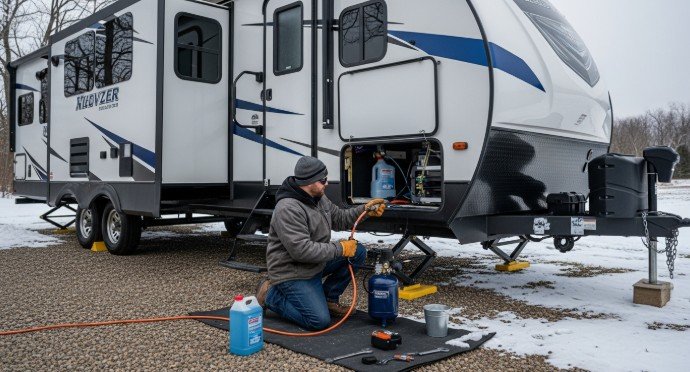
How to Winterize a RV Travel Trailer?
Winterizing your RV travel trailer is more than just a seasonal chore it’s an essential step to protect your investment. Freezing temperatures can cause pipes to burst, damage your water system, and even ruin interior materials if left unchecked. Proper winterization ensures your RV stays in top condition, saving you money and stress in the long run. Last winter, John from Ohio saved $1,200 in repairs by properly winterizing his travel trailer before the first freeze hit. In this guide, we’ll break down everything you need to know, from the core components to step-by-step instructions, comparison options, and expert tips. Disclaimer: The prices discussed in this blog are for informational purposes only and are not official rates from Privacy RV. Short Answer: How to Winterize a RV Travel Trailer Winterizing a RV travel trailer involves draining all water from the system, protecting plumbing lines, adding RV-specific antifreeze, and prepping the interior and exterior for cold weather. This prevents frozen pipes, mold growth, and structural damage. Quick Winterization Checklist for Visual Learners: By taking these steps, you ensure your RV remains safe and functional, even after months of storage in freezing temperatures. Why You Need to Winterize Your RV Travel Trailer Skipping winterization can have costly consequences: Consider this: a family in Minnesota lost their entire freshwater system after neglecting winterization. Repairs alone cost over $2,000, not including downtime and inconvenience. Even in areas with mild winters, protecting your RV from sudden cold snaps is crucial. Winterizing is an investment in your RV’s longevity. Proper preparation avoids unexpected expenses and preserves resale value. Core Components of Winterizing a RV Travel Trailer Water System The water system is the most vulnerable during winter. Proper care involves: Pro Tip: Always pump antifreeze through your water lines to ensure every faucet is protected. Plumbing Lines and Faucets Pipes, faucets, and water connections need extra protection: Real-life example: Many owners recommend foam pipe insulation it’s inexpensive, easy to install, and prevents frozen pipes even in -10°F conditions. Appliances & Electrical Systems Winter can wreak havoc on appliances if not properly prepped: Exterior Protection Your RV’s exterior is the first line of defense: Interior Maintenance Proper interior prep ensures no hidden winter damage: Guide: How to Winterize a RV Travel Trailer Prepare Your RV Drain and Flush the Water System Add RV Antifreeze Protect the Plumbing Lines Interior Prep Exterior Prep Battery & Electrical Maintenance Pro Hack: Schedule a mid-winter check to ensure no antifreeze leaks or pest intrusion. Winterization Methods & Options Method Cost Pros Cons Best For DIY Winterization $50–$150 Low cost, full control Time-consuming, potential mistakes Experienced RV owners Professional Service $150–$500 Expert care, guaranteed Higher cost, appointment needed Busy owners, first-timers Partial Winterization $50–$200 Saves time, target areas only May miss critical systems Mild climates Example: A professional winterization saved one owner $400 in repairs compared to a DIY attempt that missed a pipe in the back bay. FAQs About How to Winterize a RV Travel Trailer 1. How often should I winterize my RV?Annually, before the first freeze. Even mild climates can experience sudden cold snaps. 2. Can I winterize my RV without antifreeze?You can, but it increases the risk of burst pipes and water damage. Antifreeze is the safest option. 3. What happens if I don’t winterize my RV?Frozen pipes, mold growth, and damaged appliances are common consequences. 4. Is DIY winterization safe for beginners?Yes, if you follow step-by-step instructions carefully. Start with draining and flushing the water system first. 5. How do I store my RV batteries for winter?Remove and store in a dry, temperature-controlled location; maintain a partial charge. 6. Can I leave my RV outside all winter?Yes, but proper covers and maintenance are crucial to prevent water and pest damage. 7. Should I cover my RV with a tarp or fitted cover?Fitted covers are preferred to avoid moisture buildup and snow damage. 8. How do I de-winterize my RV in spring?Flush antifreeze from the system, reconnect utilities, and inspect all components for damage. Common Mistakes When Winterizing a RV Travel Trailer Mini anecdote: A first-time RV owner used automotive antifreeze and had to completely flush the system in spring wasting days of prep. Pro Tips to Make Winterization Easier Conclusion: Keep Your RV Safe This Winter Winterizing your RV travel trailer isn’t just about preventing freeze damage it’s about protecting your investment, saving money, and ensuring peace of mind. By following the guide, using proper materials, and avoiding common mistakes recommended by experts like Privacy RV, you’ll extend the life of your RV for years to come.
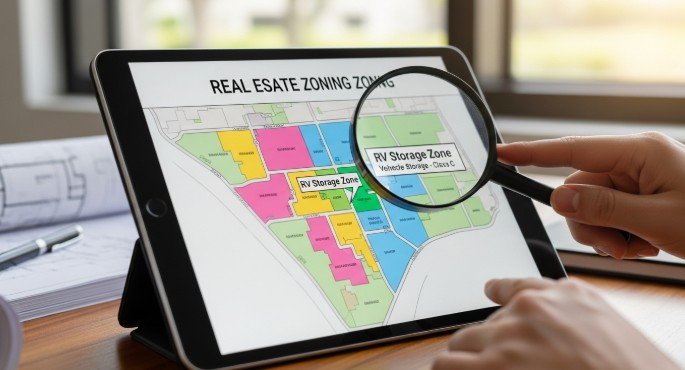
What Zoning Is Needed for RV Storage?
If you own an RV, planning for storage is one of the most important considerations. Improper storage can lead to fines, permit violations, and neighborhood disputes. The key to legally storing your RV is understanding what zoning is needed for RV storage. This guide dives deep into zoning classifications, permit requirements, and real-life strategies to ensure your RV storage is both compliant and convenient. Short Answer: Quick Guide on RV Storage Zoning Immediate Answer for Homeowners and Business Owners In most regions, RV storage falls under residential, commercial, industrial, or agricultural zoning. The rules vary depending on whether the storage is private (homeowners) or public (business). Real-life example: In Texas, many homeowners with R1/R2 residential zoning successfully store a personal RV on their property after obtaining a special conditional use permit. Understanding Zoning for RV Storage What Zoning Means in Practical Terms Zoning is a regulatory tool local governments use to designate how land can be used. It determines whether your property is suitable for residential, commercial, industrial, or agricultural purposes. Zoning impacts where you can legally store an RV, the number of RVs allowed, and the type of permits you may need. Residential vs Commercial vs Industrial Zoning Key Factors That Influence RV Storage Zoning Lot Size and Property Type Minimum lot size is a common restriction. Safety and Accessibility Regulations RV storage must consider: HOA Rules and Local Ordinances Even if zoning allows RV storage, homeowners’ associations (HOAs) can impose visibility restrictions or require additional screening. Many HOAs require Privacy RV solutions, such as fencing or landscaping, to block the vehicle from view. Suburban neighborhoods often prohibit storage in front yards, while rural areas tend to be more flexible. Guide to Determining Zoning for RV Storage Check Your Local Zoning Maps Start by reviewing municipal zoning maps online. Identify your property’s current zoning and note any overlays or special districts. Identify Your Property’s Zoning Classification Confirm whether your property is classified as residential, commercial, industrial, or agricultural, as this determines the type of RV storage legally permitted. Review Local Land-Use Codes Dive into your city or county land-use codes. Look for sections related to vehicle storage, accessory structures, and conditional use. Determine Permit Requirements Determine whether your project requires: Permits may vary based on the number of RVs, lot size, and location relative to streets and neighbors. Apply and Secure Approval Submit your application to the planning department.Real-life example: One small business owner secured a conditional use permit in 30 days and launched a profitable RV storage facility, maximizing compliance while serving multiple clients. RV Storage Zoning Options Zoning Type Suitable for RV Storage? Maximum Capacity Permit Required Example Locations Residential Limited 1–2 RVs Sometimes Suburban homes Commercial Medium to Large 10–50 RVs Yes Business parks Industrial Large-scale 50+ RVs Yes Industrial zones Agricultural Flexible Varies Sometimes Rural land People Also Ask Can I store an RV in my driveway? Depending on zoning and HOA restrictions, storing one RV on a residential driveway may be allowed with certain permits. Do I need a permit to store an RV on my property? Yes, most cities require a permit if the RV is visible from the street or exceeds standard residential allowances. How far from the street can RVs be stored? Setback requirements vary but often require 10–20 feet from the street, depending on local ordinances. Can HOA rules override city zoning for RV storage? HOAs can enforce stricter rules than municipal zoning, so compliance with both is necessary. Is indoor RV storage treated differently than outdoor? Indoor storage often has more relaxed zoning restrictions but may still require building permits if modifications are made. Are there special zoning laws for commercial RV storage businesses? Yes, commercial storage typically requires industrial or commercial zoning and full adherence to safety, access, and environmental regulations. Frequently Asked Questions (FAQs) Q1: What is the typical process to get zoning approval for RV storage?A1: Review zoning maps, check local land-use codes, apply for permits or variances, and secure approval from your planning department. Q2: Can I store multiple RVs on residential property legally?A2: Usually limited to 1–2 RVs unless a conditional use permit is approved. Q3: How much does an RV storage permit cost?A3: Costs vary by city and type of permit, ranging from $50–$500 for residential and higher for commercial facilities. Q4: Are there safety or environmental regulations I need to follow?A4: Yes. Fire safety, drainage, access, and sometimes environmental protection laws apply. Q5: How does zoning affect RV storage pricing and insurance?A5: Zoning can influence rental fees, insurance premiums, and liability coverage for commercial storage operations. Q6: Can I convert a barn or garage for RV storage?A6: Often yes, but local building codes and permit requirements must be followed. Q7: What happens if I violate zoning rules for RV storage?A7: Violations can result in fines, forced removal of the RV, and legal action. Q8: How do I find the zoning requirements in my city?A8: Contact your city’s planning department, consult online zoning maps, or hire a zoning consultant. Conclusion: Navigating Zoning for RV Storage Successfully Understanding what zoning is needed for RV storage is crucial to avoid legal issues, fines, and neighborhood conflicts. Residential, commercial, industrial, and agricultural zoning each have unique rules that affect how many RVs can be stored, where they can be parked, and what permits are required. Insights I Have Gathered: Many property owners successfully combine conditional use permits, HOA compliance, and safety measures to maximize legal RV storage without complications. Take action: Always consult your local planning department before making any storage investment. Following these steps ensures compliance, safety, and peace of mind while protecting your RV investment.
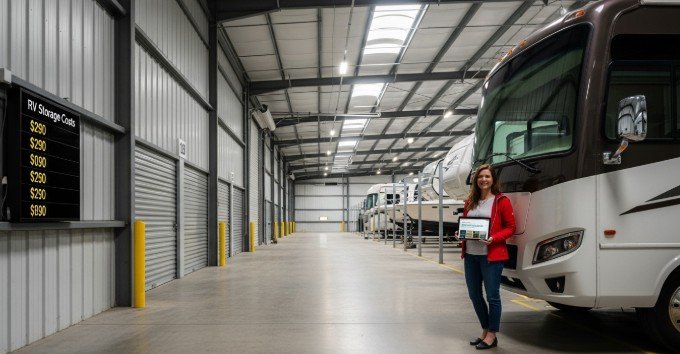
How Much Does RV Storage Cost?
If you own an RV, one of the first questions you’ll face is: how much does RV storage cost? Whether you’re planning seasonal adventures or long-term trips, understanding storage costs is essential for budgeting and protecting your investment. In this comprehensive guide, we’ll break down the typical costs, factors that influence pricing, and actionable tips to choose the best storage solution for your RV. Short Answer: How Much Does RV Storage Cost? The cost of RV storage varies widely depending on the type of storage, location, size of your RV, and amenities provided. On average: For example, John from Phoenix shared that he paid $175/month for covered RV storage, while an indoor unit cost him $300/month. Factors such as location, RV size, security features, and facility amenities can significantly affect these prices. “Please note: these prices are estimates and are not officially provided by Privacy RV.” Understanding RV Storage Costs in Detail Knowing the factors that affect RV storage prices can help you make an informed decision and avoid unexpected costs. Factors That Affect RV Storage Prices Several variables determine how much you’ll pay for RV storage: Real-life example: Sarah in Denver chose an indoor, climate-controlled unit for her Class A motorhome because she wanted maximum protection from harsh winters. Her monthly fee was $450, but she felt it was worth it to avoid costly weather-related damage. Average Cost Ranges by Storage Type Here’s a quick comparison table of typical RV storage costs: Storage Type Monthly Cost Range Security Accessibility Ideal For Outdoor $50–$200 Low High Short-term, budget Covered $100–$300 Medium Medium Protection from weather Indoor/Climate-Control $200–$600 High Medium Expensive RVs, long-term storage Sub-Questions People Also Ask Is RV storage cheaper in rural areas? Yes, rural areas usually have lower storage costs due to less demand and lower property prices. For instance, an outdoor storage unit in rural Texas may cost $75/month, whereas a similar unit in Los Angeles can exceed $200/month. Can I store my RV at home? Storing an RV at home is possible, but you must check local zoning laws. Driveways and residential lots may have size limits or permit requirements. While it’s free, it may lack security, protection from weather, or insurance coverage. What’s the cheapest way to store an RV? Outdoor storage lots or shared private properties are often the cheapest. Some RV owners also use off-site parking with friends or family, which can reduce costs significantly. Do storage facilities charge extra for large RVs? Yes, larger RVs require more space, and some facilities charge extra for length, height, or weight. Always verify the unit size and fees before signing a contract. Is climate-controlled storage worth it? Climate-controlled storage protects temperature-sensitive components like batteries, plumbing, and electronics. Long-term, this type of storage can save money on maintenance and repairs, especially for luxury RVs or in extreme climates. Guide to Choosing the Right RV Storage Selecting the right RV storage requires careful planning. Here’s a step-by-step approach: Determine Your Storage Needs Set Your Budget Compare Storage Options Inspect Facilities in Person Read the Contract Carefully Finalize and Move Your RV Real-Life Examples of RV Storage Costs Frequently Asked Questions (FAQs) 1. What is the average monthly cost for RV storage? 2. Are there annual discounts for long-term storage? 3. Do storage facilities provide electricity or hookups? 4. How secure are outdoor RV storage lots? 5. Can I store my RV in a residential driveway legally? 6. What insurance do I need for stored RVs? 7. Are there hidden fees I should watch for? 8. How do seasonal rates affect RV storage cost? Conclusion: Planning Your RV Storage Budget Understanding how much RV storage costs is crucial for protecting your vehicle and your wallet. Prices vary by location, storage type, RV size, and amenities. By evaluating your storage needs, setting a budget, comparing options, and inspecting facilities, you can make an informed decision. Remember: balancing cost with security and protection is key. Investing in the right storage solution ensures your RV stays safe, functional, and ready for your next adventure.
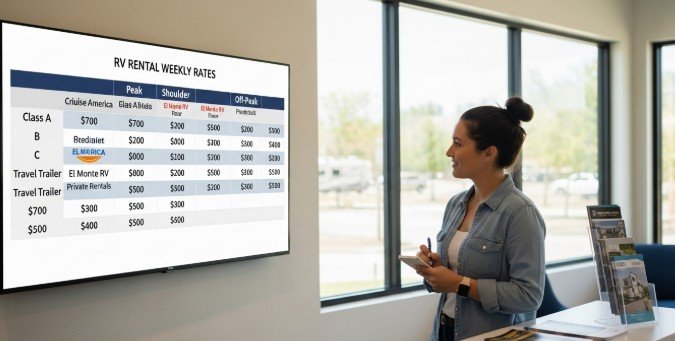
How Much is a RV Rental for a Week?
Renting an RV for a week can be an exciting way to explore the open road, but one of the first questions most travelers ask is: how much is a RV rental for a week? The answer isn’t straightforward because pricing depends on several factors including RV type, season, location, insurance, mileage, and additional amenities. Understanding these variables can save you hundreds of dollars and prevent surprises when you hit the road. Whether you’re planning a family adventure to Yellowstone, a solo trip along the coast, or a luxury road trip, this guide will break down the costs, factors, and practical tips so you can budget smartly and enjoy your RV journey. Short Answer – How Much is a RV Rental for a Week? On average, weekly RV rental prices range from $600 to $2,500, depending on the type of RV and location. Here’s a quick breakdown by RV type: Keep in mind that peak season rentals, high-demand destinations, mileage overages, and insurance can increase costs. Pro Tip: Booking a week in advance can save 15–20%, especially during summer months when demand is high. Factors Affecting RV Rental Prices for a Week Type of RV RV type is the most significant factor in determining weekly rental costs. Example: “A Class C rented by one of my customers for Yellowstone was 30% cheaper than a Class A for the same week,” says a seasoned RV owner. Rental Location and Seasonality Where you rent and when matters. Popular destinations like national parks, beach towns, or festival locations drive prices up. Insurance and Additional Fees Insurance is essential and varies depending on coverage. Optional extras such as collision coverage, roadside assistance, or generator use can also increase costs. Additional fees may include: Duration and Booking Time Weekly rentals are generally cheaper per day than daily rentals. Early booking secures lower rates, while last-minute rentals often come at a premium. Guide to Renting an RV for a Week Determine Your Budget Include all potential costs: Knowing your total budget helps prevent unexpected expenses. Choose the Right RV Type Match the RV to your trip size and needs. Example: A family of four renting a Class C saved money compared to booking a Class A motorhome while still enjoying sufficient space and amenities. Select Rental Platform or Dealer You can choose between: Pros and cons depend on your comfort level, insurance needs, and desired RV type. Review Rental Agreement and Fees Carefully check: This prevents surprise expenses at pickup or drop-off. Plan Your Route and Campgrounds Route planning affects costs: fuel, overnight stays, and mileage limits. Example: Booking campgrounds early at Yellowstone reduced one traveler’s costs by $200. Inspect the RV Before Departure Check: Tip: Noting any pre-existing damage in writing prevents disputes later. Weekly RV Rental Costs by Type RV Type Weekly Cost Range Ideal For Average Mileage Included Real Owner Tip Class A $1,500–$2,500 Large families, luxury trips 100–150 miles/day Book 3–6 months ahead for discounts Class B $1,000–$1,800 Couples or solo travelers 150–200 miles/day Camper vans easier in city trips Class C $900–$1,600 Families 3–6 150 miles/day Most popular for park trips Pop-Up Trailer $600–$1,200 Budget-conscious, seasonal 100 miles/day Great for beginner RVers Frequently Asked Questions (FAQs) How much does insurance cost when renting an RV for a week? Insurance varies widely but typically adds $50–$150 per week depending on coverage type. Liability coverage is often included; collision and roadside assistance are optional. Are there mileage limits for a weekly RV rental? Yes, most rentals include 100–200 miles per day. Exceeding this can result in $0.25–$0.75 per extra mile. Can I rent an RV without prior driving experience? Yes, but some RV types require experience. Smaller vans and trailers are easier for first-time drivers. What are the hidden fees I should expect? Extra cleaning, generator use, late returns, and mileage overages are common. Always review the agreement. How far in advance should I book an RV for a week? 3–6 months ahead is ideal for peak season rentals to secure the best price. Are pets allowed in RV rentals? Many owners allow pets, but some have restrictions or charge additional cleaning fees. How do seasonal changes affect RV rental prices? Summer and holidays are expensive; fall, winter, and spring often offer discounted weekly rates. Can I cancel a weekly RV rental without losing money? Cancellation policies vary. Many rentals offer partial refunds if canceled 2–4 weeks in advance. Tips to Save Money on a Weekly RV Rental Real-life example: One family saved $350 by renting a Class C mid-week instead of picking up on a weekend. Conclusion – How Much is a RV Rental for a Week? Weekly RV rental prices vary depending on type, season, location, and fees. By understanding the factors that influence costs, planning ahead, and carefully reviewing rental agreements, you can save money while ensuring a smooth, enjoyable trip with Privacy RV options that provide extra comfort and seclusion on the road. Tip: Document everything, communicate clearly with the RV owner, and inspect the RV thoroughly. This saves headaches, prevents hidden charges, and ensures your adventure starts stress-free. Whether you’re a first-time renter or a seasoned traveller, knowing how much a RV rental for a week costs and planning smartly ensures that your road trip is both memorable and budget-friendly.
Can You Rent an RV at a Campground? Everything Campers Need to Know
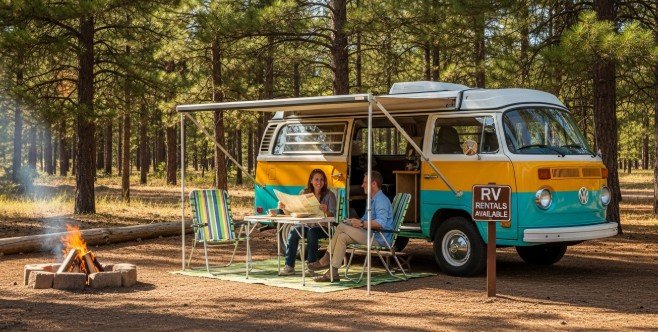
Renting an RV doesn’t always mean picking it up from a dealership lot and driving cross-country. Many travelers especially first-timers wonder: can you rent an RV at a campground? The short answer is yes sometimes. But how it works, what it costs, and where it’s available depends heavily on the park, the region, and the season. This guide delivers the most complete, experience-driven explanation online, drawing from how real RV parks operate day to day covering logistics, pricing, pitfalls, and smart booking strategies so you can choose the best option for your trip. Short Answer — Can You Rent an RV at a Campground? Yes you can rent an RV at a campground in three main ways: When It’s Usually Possible When It’s Usually Not Available Typical Price Snapshot Disclaimer: These prices are estimated ranges based on market research and operator reports. They are not officially declared by Privacy RV or any specific campground. Actual rates may vary by location, season, and rental provider. What Does It Mean to Rent an RV at a Campground? Campground-Owned RV Rentals Explained Some parks purchase and maintain their own RVs for guests who don’t own one. These often include: Because these units stay parked year-round, they’re fully hooked into water, sewer, and power making them perfect for beginners. Third-Party RV Delivery to Campgrounds In this model, a private owner or rental company brings the RV directly to your campsite, sets it up, and retrieves it after checkout. This is increasingly common through: You arrive to a leveled, connected RV no towing, no driving. How Campgrounds Coordinate With RV Rental Providers From an operator’s perspective, coordination is critical. Many parks require: Some campgrounds refuse outside deliveries entirely so always confirm first. Why Some Campgrounds Offer RV Rentals (From an Owner’s Perspective) RV park owners don’t add rental units casually. They do it because: However, it also creates challenges: Many operators track rental rigs separately because maintenance costs run 20–40% higher than normal sites. Where Are You Most Likely to Rent an RV at a Campground? National Parks vs Private RV Resorts Popular Tourist Regions That Commonly Offer RV Rentals Seasonal Destinations & Demand Spikes Guide on How to Rent an RV at a Campground Search Campgrounds That Offer On-Site RV Rentals Use modifiers like: Ask These Critical Questions Before Booking Compare Delivered RV vs On-Site Rental Options Delivered RVs allow flexibility in choosing parks. On-site units provide turnkey convenience. Confirm Hookups, Site Size & Amenities Review Insurance, Deposits & Damage Policies Expect refundable security deposits, cancellation deadlines, and cleaning clauses. Arrival Day Walkthrough Checklist Ways to Rent an RV at a Campground Option Who Owns RV Can You Drive It? Typical Cost Setup Included Best For Campground Rental Unit Park No $$$ Yes First-timers Delivered Rental RV Private/Company No $$–$$$ Yes Weekend trips Traditional Rental + Campsite Rental agency Yes $$ No Road trips Glamping-Style RVs Park No $$$$ Yes Luxury stays Pros and Cons of Renting an RV at a Campground Advantages Disadvantages Real-World Examples From RV Park Operators Operators report rentals often book 60–90 days out in popular seasons. Cost Breakdown — How Much Does It Usually Cost? Expect charges for: Common Mistakes First-Time Renters Make FAQs About Renting an RV at a Campground Can you rent an RV at a campground if you don’t have a tow vehicle? Yes on-site units and delivered rentals require no towing. Can you rent an RV at a campground for just one night? Some allow it, but many enforce two- or three-night minimums. Can you rent an RV at a campground inside national parks? Sometimes near entrances through concessionaires or nearby resorts. Can you rent an RV at a campground during peak season? Yes but book months ahead. Can you rent an RV at a campground with pets? Many allow pets for extra fees. Is renting an RV at a campground cheaper than renting one traditionally? Usually not but it saves driving and setup costs. Do campground RV rentals come fully stocked? Basic kitchenware is common; linens vary. How far in advance should you book? 60–120 days for busy destinations. Expert Tips From Campground Owners Conclusion — Is Renting an RV at a Campground Right for You? If you want camping experience without towing or driving, renting an RV at a campground through Privacy RV can be ideal especially for first-timers, families, and luxury travelers. Best for: weekend getaways, national park visits, glamping trips, and shoulder-season escapes. Decision checklist: When convenience outweighs mobility, this approach delivers a turnkey outdoor adventure with hotel-level simplicity just surrounded by pine trees instead of parking lots.
How Much Are RV Campgrounds? Complete Cost Guide for Campers
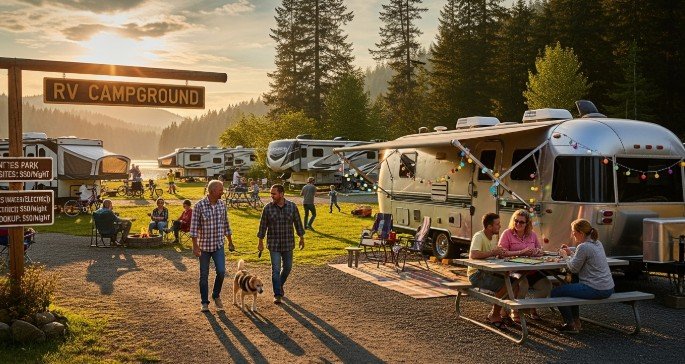
RV travel promises freedom, flexibility, and unforgettable scenery but one question always comes first when planning a trip: how much are RV campgrounds? Prices can swing dramatically depending on where you stay, the season, and what amenities you need. One night might cost $20 in a quiet desert town, while a luxury oceanfront RV resort could run $150 or more. This comprehensive guide breaks down exactly what RV campgrounds cost, what influences pricing, how to estimate your own travel budget, and proven strategies to save money on the road. Whether you’re planning a weekend getaway or full-time RV living, you’ll leave with crystal-clear expectations and smarter spending habits. Disclaimer: The prices listed in this guide are general estimates and are not official rates from Privacy RV. Actual campground costs may vary based on location, season, amenities, and availability. How Much Are RV Campgrounds? (Short Answer) If you want a quick snapshot: What affects price the most? Location, season, hookups, amenities, and length of stay. What Determines RV Campground Prices? Location & Region Time of Year & Demand Hookups & Utilities Amenities & Services Pools, laundry rooms, fitness centers, dog parks, cable TV, and strong Wi-Fi all raise nightly rates. Resorts with concierge services and landscaped pads sit at the top of the pricing spectrum. Campground Type Length of Stay Nightly stays cost the most per day. Weekly and monthly rates usually include steep discounts—sometimes cutting your cost in half. Average RV Campground Prices by Type Public Campgrounds (State & National Parks) $15–$40/night. Limited hookups, stunning scenery, and basic facilities. Private RV Parks $35–$75/night. Full hookups and dependable services. Luxury RV Resorts $90–$150+/night. Pools, spas, waterfront views, and upscale facilities. Boondocking & Free Camping $0–$15/night. No hookups self-contained rigs only. Membership-Based Campgrounds $10–$30/night plus annual fees. How Much Are RV Campgrounds by State or Region? Guide to Estimating Your RV Camping Costs Define Your Travel Route Map major stops and regions to anticipate regional pricing. Choose Campground Type Decide between public parks, private sites, or resorts. Check Seasonal Rates Look at peak vs off-season calendars. Evaluate Amenities Needed Pay only for what you’ll actually use—do you really need cable TV or a pool? Compare Booking Platforms Check park websites, apps, and directories to spot price differences. Calculate Weekly or Monthly Discounts Staying seven nights or longer can dramatically reduce your nightly rate. Factor in Extra Fees Account for electricity, pets, guests, or resort charges. Extra Costs Many RV Campers Forget to Budget How Much Are RV Campgrounds by Type? Campground Type Avg Nightly Cost Typical Amenities Best For Pros Cons National Park Campgrounds $15–$40 Toilets, water Nature lovers Scenic, cheap Limited hookups Private RV Parks $35–$75 Full hookups, Wi-Fi Most travelers Reliable Mid-range cost RV Resorts $90–$150+ Pools, spas Luxury seekers Upscale Expensive Membership Parks $10–$30 Basic utilities Frequent RVers Low nightly Annual fees Boondocking $0–$15 None Self-contained rigs Free No services Long-Term RV Parks $400–$1,200/month Full hookups Snowbirds Huge savings Utility charges Cheapest Ways to Stay at RV Campgrounds Are Monthly RV Campgrounds Cheaper Than Nightly? Typical Monthly Rate Ranges $400–$1,200+ plus utilities. When Monthly RV Parks Make Sense Snowbirds, digital nomads, retirees, and remote workers benefit most. Utilities in Long-Term Stays Electricity is often metered expect $50–$200 monthly in hot or cold climates. Full-Time RV Living Cost Scenarios Many full-timers keep campground expenses under $800/month by mixing monthly stays with boondocking. Real-Life RV Cost Examples FAQs About RV Campground Pricing How much are RV campgrounds per night on average? Most range from $35–$65 nationwide. Why are RV resorts so expensive? They include luxury amenities, prime locations, and resort-level services. Can you stay at RV parks for free? Yes, through boondocking, overnight retail stays, or work-camping. Are hookups worth paying extra for? For longer stays, yes, they save generator fuel and water runs. Do RV parks charge for electricity? Short stays often include power; monthly guests usually pay metered rates. How much do monthly RV sites cost? Anywhere from $400 to $1,200+, depending on location. Are KOA campgrounds more expensive? Generally yes, but they offer consistent quality and amenities. Is it cheaper to RV full-time than rent an apartment? Often yes if you manage campground costs carefully. So, how much are RV campgrounds? Most travelers spend between $35 and $65 per night—but smart planning can cut that dramatically. Location, season, hookups, and stay length drive prices more than anything else. Book early, travel off-season, take advantage of monthly discounts, and mix free camping with paid stays. With the right strategy and helpful planning resources from Privacy RV you can explore farther, stay longer, and keep your RV lifestyle affordable.