Choosing between an RV and a camper is one of the most common decisions for anyone entering the world of road travel, van life, or outdoor adventure. While the terms are often used interchangeably, they are not the same and understanding the difference can save you thousands of dollars, improve your travel experience, and help you choose the right vehicle for your lifestyle.
This guide breaks down everything you need to know in a clear, practical, and expert-driven way.
What Is the Difference Between an RV and a Camper? (Quick Answer)
An RV (Recreational Vehicle) is a broad category that includes all motorized and towable living vehicles, such as motorhomes, travel trailers, and fifth wheels.
A camper typically refers to a smaller, more basic unit often towable or truck-mounted designed for short-term camping with fewer amenities.
In simple terms: all campers can be RVs, but not all RVs are campers.
Understanding RVs vs Campers: Core Definitions
What Is an RV (Recreational Vehicle)?
An RV is a fully equipped mobile living space designed for travel and extended stays. It includes both motorized vehicles and towable units.
Types of RVs include:
- Class A motorhomes (large, luxury buses)
- Class B camper vans (compact and versatile)
- Class C motorhomes (mid-sized with overhead sleeping)
- Travel trailers and fifth-wheel trailers
Key features:
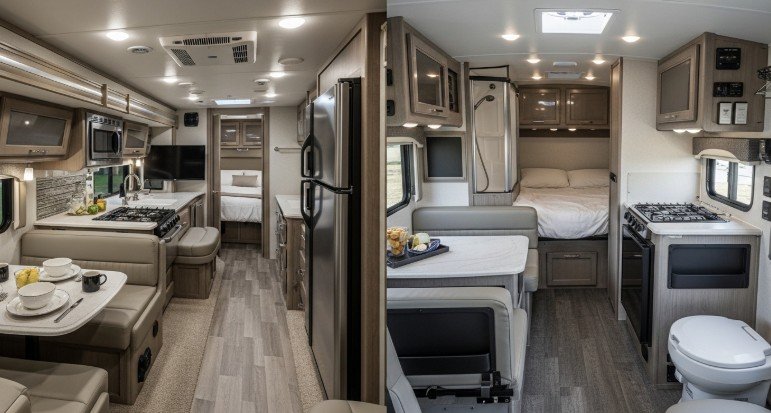
- Full kitchen and bathroom
- Climate control (heating and air conditioning)
- Sleeping and living areas
- Self-contained water, electrical, and waste systems
RVs are ideal for long road trips, full-time living, and those seeking comfort on the road.
What Is a Camper?
A camper is generally a smaller, lighter, and more basic unit designed primarily for camping rather than full-time living.
Common camper types include:
- Pop-up campers
- Truck campers (mounted on pickup trucks)
- Teardrop trailers
- Small travel trailers
Key features:
- Compact design
- Basic sleeping space
- Minimal cooking facilities
- Limited or no bathroom
Campers are best suited for weekend trips, budget travel, and outdoor-focused adventures.
What Is the Difference Between an RV and a Camper? Key Differences Explained
Size and Space Differences
RVs are significantly larger and offer multiple living areas, while campers are compact and designed for efficiency.
Motorized vs Towable Options
RVs can be either motorized (you drive them) or towable. Campers, on the other hand, are usually towable or mounted onto a truck.
Amenities and Comfort Levels
RVs provide full residential-style amenities—kitchens, bathrooms, showers, and HVAC systems. Campers typically offer only the basics.
Cost and Affordability Comparison
RVs come with a higher upfront cost and ongoing maintenance expenses. Campers are more affordable and accessible for beginners.
Ease of Travel and Setup
Motorized RVs are easier to use on the road with minimal setup, while campers require hitching, towing, and leveling at campsites.
Types of RVs and Campers You Should Know
Common RV Types
- Class A motorhomes
- Class B camper vans
- Class C motorhomes
- Fifth-wheel trailers
Common Camper Types
- Pop-up campers
- Truck campers
- Teardrop trailers
- Small travel trailers
Understanding these types helps you narrow down your options based on travel style and budget.
How to Choose Between an RV and a Camper
Step 1 – Define Your Travel Style
Are you planning full-time RV living or occasional weekend trips? RVs are better for long-term stays, while campers suit short getaways.
Step 2 – Set Your Budget
Consider both the purchase price and long-term costs like maintenance, fuel, and storage.
Step 3 – Consider Vehicle Towing Capacity
If you choose a camper, ensure your vehicle can safely tow it.
Step 4 – Evaluate Space and Comfort Needs
Families often require RVs for space, while solo travelers or couples can manage with campers.
Step 5 – Assess Storage and Parking Options
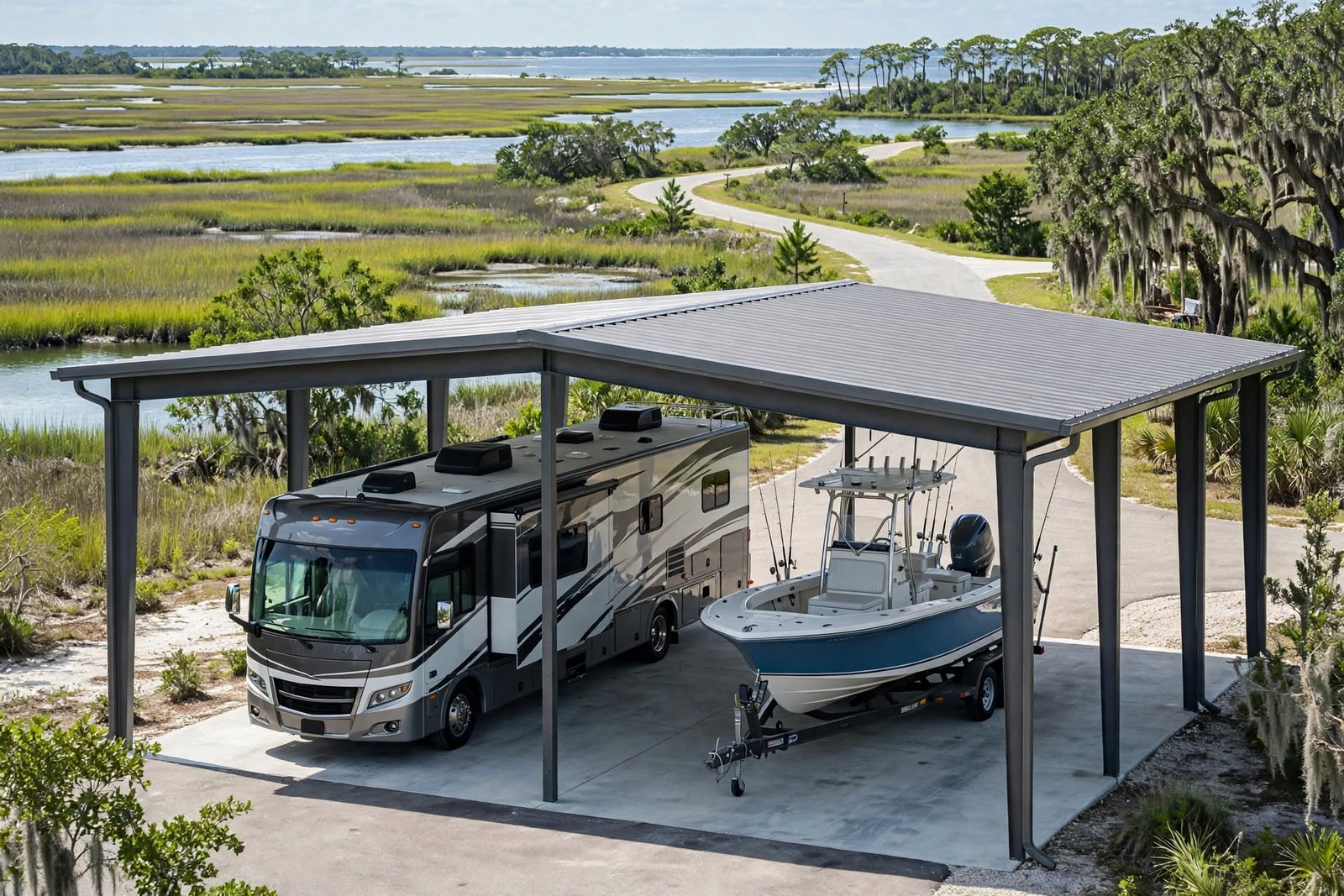
RVs require more storage space, which may not be available at home.
Step 6 – Compare Maintenance Requirements
RVs require engine maintenance (for motorhomes), while campers mainly need structural upkeep.
Step 7 – Test Before You Buy
Renting or consulting experts like the team at Privacy RV can help you make a confident decision based on real-world experience.
RV vs Camper Comparison Table
| Feature | RV (Recreational Vehicle) | Camper |
|---|---|---|
| Definition | Broad category of mobile living units | Smaller, basic camping unit |
| Size | Large to very large | Small to medium |
| Motorized | Yes (motorhomes) or towable | Usually towable or truck-mounted |
| Amenities | Full kitchen, bathroom, HVAC | Basic amenities |
| Cost | High | Lower |
| Setup | Minimal (motorhomes) | Requires setup |
| Maintenance | Higher (engine + systems) | Lower (fewer systems) |
| Best For | Long trips, full-time living | Short trips, weekend camping |
Pros and Cons of RVs vs Campers
RV Advantages and Disadvantages
Pros:
- Luxury and comfort
- More space
- Ideal for long-term travel
Cons:
- Expensive
- Higher maintenance
- Requires more storage space
Camper Advantages and Disadvantages
Pros:
- Affordable
- Easy to tow and store
- Great for beginners
Cons:
- Limited space
- Fewer amenities
- Less suitable for long trips
Common Scenarios: Which One Is Better for You?
Best for Full-Time Living
RVs are the clear choice due to their space and full amenities.
Best for Weekend Camping
Campers are ideal for short, flexible trips.
Best for Budget Travelers
Campers offer a lower cost entry into RV lifestyle travel.
Best for Families vs Solo Travelers
Families benefit from RV space, while campers are perfect for solo travelers or couples.
People Also Ask
Is a camper considered an RV?
Yes, a camper is a type of RV, but it represents a smaller and simpler category.
Is an RV better than a camper for long trips?
Yes, RVs provide more comfort and amenities for extended travel.
Can you live full-time in a camper?
It’s possible, but space and amenities are limited compared to RVs.
Do campers have bathrooms like RVs?
Some do, but many campers lack full bathroom facilities.
Which is easier to maintain, an RV or a camper?
Campers are generally easier and cheaper to maintain.
Frequently Asked Questions (FAQs)
What is the difference between an RV and a camper in terms of cost?
RVs are significantly more expensive due to size, features, and mechanical systems, while campers are budget-friendly and simpler.
Which is easier to drive, an RV or a camper?
Motorized RVs are easier to drive since they don’t require towing, while campers depend on your towing skills.
Are campers more fuel-efficient than RVs?
Yes, campers are typically more fuel-efficient because they are lighter and rely on a separate towing vehicle.
Do both RVs and campers require maintenance?
Yes, but RVs require more extensive maintenance due to engines and complex systems.
Can you tow a camper with any vehicle?
No, you must ensure your vehicle has the appropriate towing capacity.
Which lasts longer, an RV or a camper?
Both can last many years with proper maintenance, but campers often have fewer mechanical issues.
Are RVs worth the investment?
For frequent travelers or full-time living, RVs offer excellent value and convenience especially when properly maintained through trusted services like Privacy RV.
What is the best option for beginners?
Campers are generally the best starting point due to their affordability and simplicity.
Final Thoughts on What Is the Difference Between an RV and a Camper?
Key Takeaways for Buyers
- RV = broader category with more features and comfort
- Camper = smaller, simpler, and budget-friendly option
How to Choose the Right Option for Your Lifestyle
The right choice depends on your travel goals, budget, and comfort expectations. If you value space and long-term living, an RV is the better option. If you prefer simplicity, affordability, and occasional trips, a camper is the smarter choice.
Ultimately, making an informed decision ensures you enjoy every mile of your journey without unexpected compromises.