Planning a family vacation in your RV requires careful consideration when selecting a campground. The right choice can make the difference between a memorable adventure and a stressful experience. Families have specific needs that go beyond basic hookups and parking spaces, and finding a location that caters to children while keeping parents comfortable demands attention to detail.
Essential Amenities for Family Camping
Family-oriented campgrounds should offer more than just a place to park. Look for sites with clean bathhouses that include family restrooms, as these make morning routines much easier with young children. Hot showers are non-negotiable after days of outdoor activities, and laundry facilities become important during longer stays.
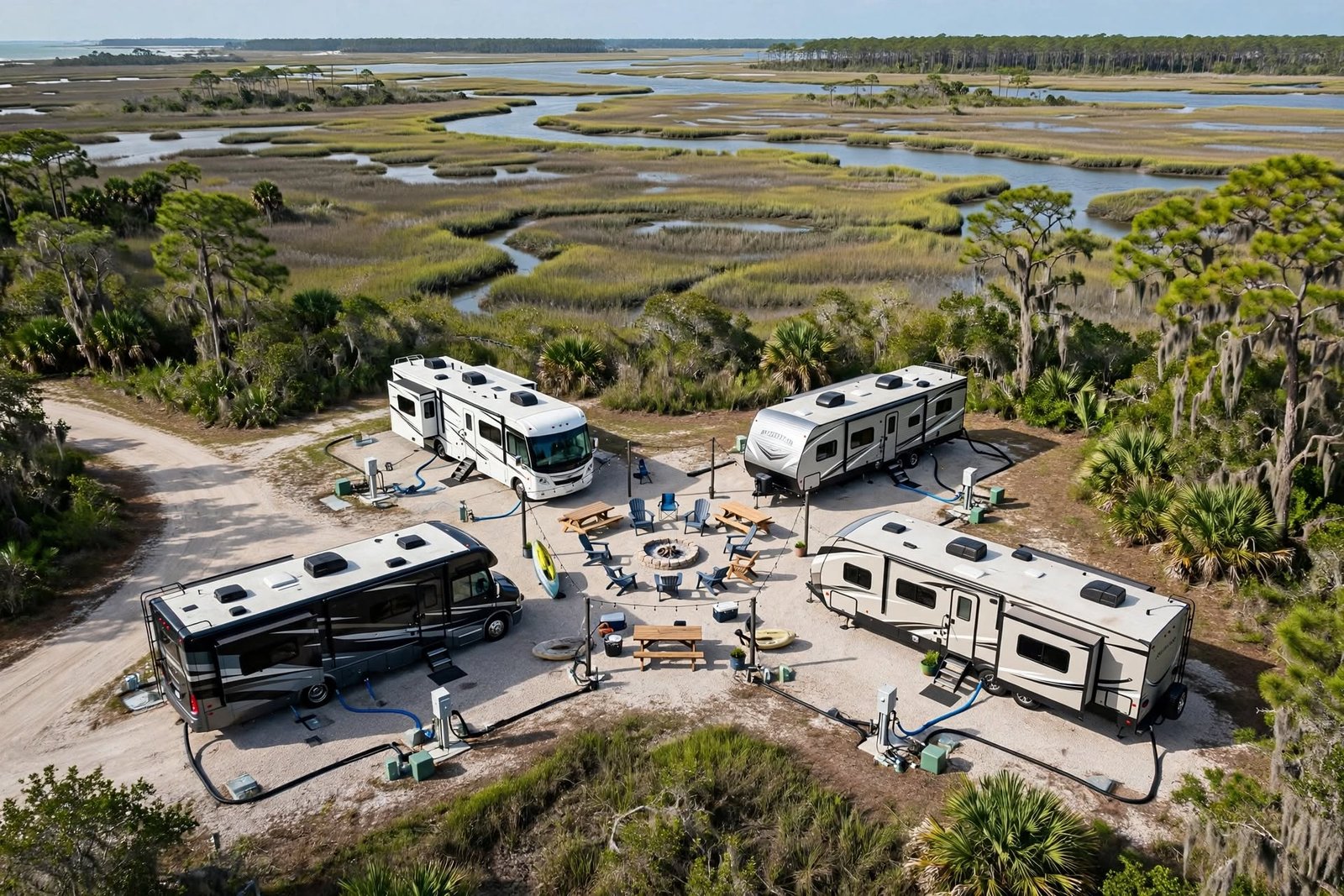
Full hookups provide the convenience families need. Electric, water, and sewer connections allow you to run air conditioning during hot afternoons, keep food fresh, and maintain normal routines. Some families can manage with partial hookups, but full service simplifies daily life considerably when traveling with children.
Wi-Fi access has become standard at many campgrounds. While unplugging from technology appeals to some, having reliable internet helps with rainy day entertainment, staying connected with relatives, and handling work obligations for parents who need to check in remotely. Check reviews to verify that the connection actually works throughout the property, not just near the office.
Recreation Options That Keep Kids Engaged
Children need space to burn energy and explore. Playgrounds with age-appropriate equipment give younger kids a dedicated area to play safely. Look for facilities with swings, slides, and climbing structures that meet current safety standards. Shaded seating nearby lets parents supervise comfortably.
Swimming pools or beach access rank high on most children’s wish lists. Pools should have designated hours for families and clear depth markers. Lifeguards add an extra layer of security, though supervision remains the parent’s responsibility. Natural swimming areas offer different experiences but require more caution regarding currents, wildlife, and water quality.
Organized activities can save the day when your own entertainment ideas run thin. Many campgrounds schedule crafts, nature walks, outdoor movies, and themed events during busy seasons. These programs give children chances to socialize with other young campers while parents get brief moments to relax. Check the activity calendar when booking to see what aligns with your stay.
Safety Considerations at Campgrounds
Traffic patterns within the campground affect safety significantly. Sites with speed bumps, clear signage, and separate pedestrian paths reduce risks of accidents. Children on bikes or scooters need space away from RV traffic. Observe how other guests drive through the property during your initial tour.
Site visibility matters when you have children playing outside. Corner lots or sites near busy roads require extra vigilance. Interior locations away from main thoroughfares let kids roam with less concern about vehicles. Some parents prefer spots near the playground to keep it within sight.
Lighting throughout the campground becomes important after sunset. Well-lit pathways to bathhouses, pools, and common areas help everyone move around safely at night. Ask about quiet hours and how strictly the staff enforces rules about noise and generator use, as these policies affect your ability to maintain bedtime routines.
Evaluating Location & Surroundings
Proximity to attractions balances with the need for a peaceful base camp. Being too close to tourist areas can mean higher prices and more traffic, but being too remote limits day trip options. Consider your planned activities and acceptable drive times. Families with young children often prefer shorter distances to prevent car fatigue.
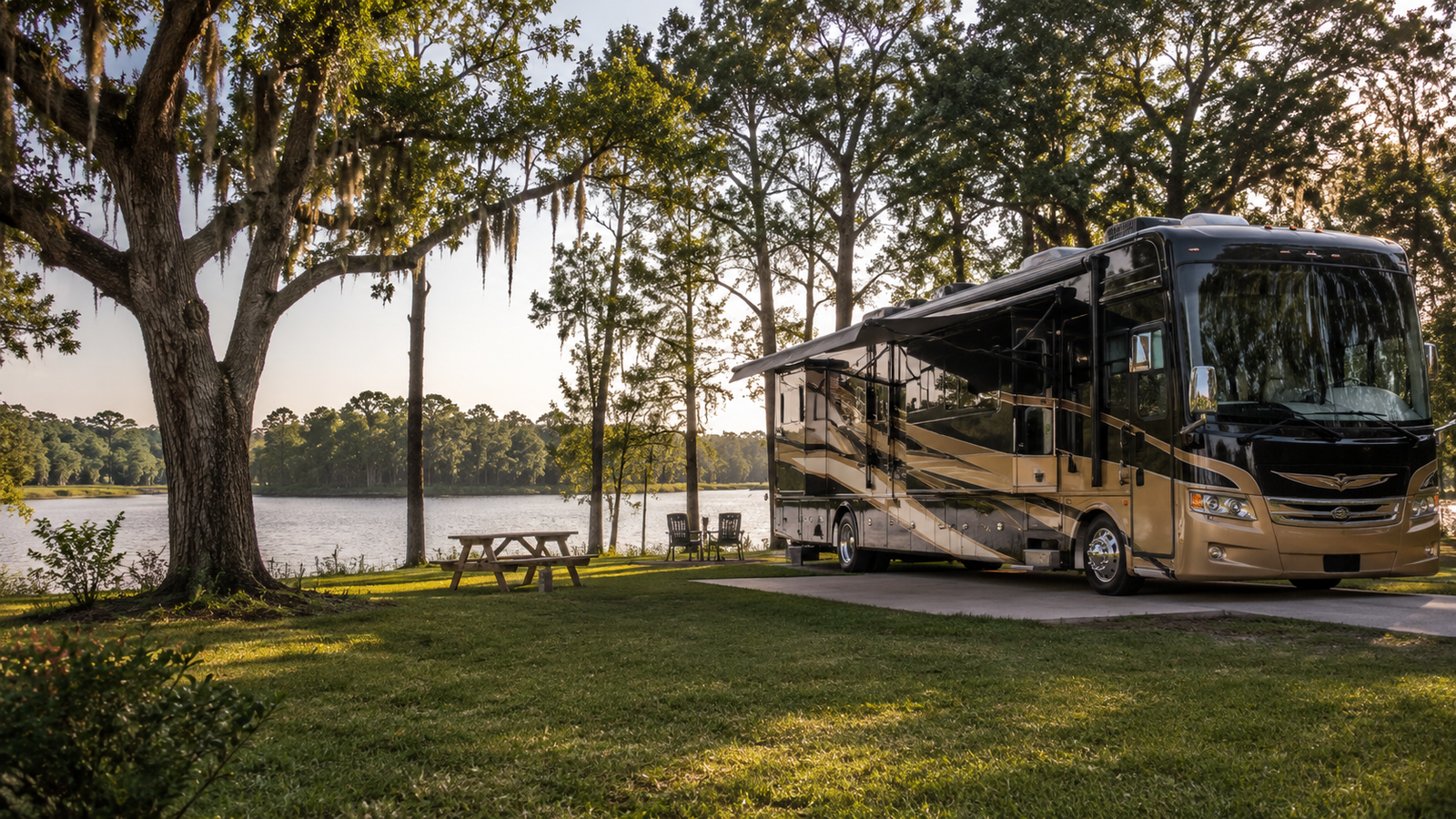
The natural setting contributes to the overall experience. Wooded sites provide shade and privacy, while open areas offer expansive views and more sunlight. Waterfront locations come with beauty but also require constant child supervision. Think about your comfort level with various environments and what supervision challenges they present.
Local wildlife adds interest but also risk. Campgrounds in bear country require proper food storage and trash disposal practices. Deer, raccoons, and other animals can be charming from a distance but problematic up close. Staff should provide clear guidance on wildlife safety appropriate for families.
Reading Reviews & Asking Questions
Online reviews from other families provide realistic insights. Look for comments about cleanliness, staff responsiveness, and how well the facilities matched the website descriptions. Pay attention to reviews mentioning children specifically, as these writers share your priorities.
Photos posted by guests often reveal more than professional marketing images. Check how well-maintained the playground equipment looks, the actual size of the pool, and the spacing between sites. User-generated content shows the campground during regular operation, not just at its best.
Contact the campground directly with specific questions. Ask about the age range of playground equipment, if the pools are heated or not, and if staff provide supervised activities. Inquire about cancellation policies, as family plans sometimes change unexpectedly. Good communication before booking prevents disappointments later.
Booking Strategies for Families
Reserve early during school vacation periods and holidays. Family-friendly campgrounds fill quickly for summer weeks and long weekends. Many properties let you book six months to a year in advance. Securing your dates early also gives you better site selection.
Request specific site characteristics when making reservations. Mention if you need full hookups, prefer shade, or want to be near the playground. While campgrounds cannot always guarantee exact spots, noting your preferences increases the likelihood of getting something suitable.
Consider length of stay carefully. Shorter visits let you sample different locations, while longer stays reduce packing and setup time. Many families find three to five nights hits the sweet spot, giving enough time to settle in without feeling rushed or bored. Some campgrounds offer discounts for weekly stays that make extended visits more affordable.
Making the Most of Your Stay
Arrive with realistic expectations. Not every moment will go smoothly, and flexibility helps when plans change. Weather, tired children, or maintenance issues happen. The goal is creating positive memories as a family, not achieving a flawless vacation.
Establish a base camp routine that works for your family. Set up outdoor living spaces with chairs, rugs, and games. Create a rhythm for meals, activities, and downtime. Children adapt better when they know what to expect, even in new environments.
Connect with other families at the campground. Children often bond quickly with neighboring kids, and parents can share tips about local attractions or campground facilities. The social aspect of camping adds richness to the experience and sometimes leads to lasting friendships.